
Products For Under Eye Care
The delicate skin under the eyes is often one of the first areas to show signs of ageing, fatigue, and stress. To combat dark circles, puffiness, and fine lines, there are a variety of products specifically formulated for under-eye care.




Products For Under Eye Care
Products for under eye care are designed for the delicate skin beneath the eyes, with creams, gels, serums and masks offering different textures and targeted benefits. Depending on their formulation, they can help hydrate dry skin, soften the appearance of fine lines, or make puffiness and dark circles look less noticeable. The skin in this area is thinner than on much of the face, so comfort and suitability matter as much as the finish. A rich eye cream may appeal if the under eye area feels tight or looks creased through dryness, while a lightweight gel offers a less substantial feel for those who dislike heavier textures. Eye serums tend to have a fluid consistency and can suit someone looking for targeted care without a thick layer of cream. Under eye masks and patches bring a more enveloping format, holding a layer of formula against the skin. The most suitable choice depends on the concern, the desired texture and the directions supplied with the product, rather than richness alone. For example, someone with dry cheeks can still prefer a light eye gel, while someone whose face is prone to shine may appreciate a cushioning cream beneath the eyes. Hydration is a useful starting point across these preferences: skin that feels comfortable and supple can also look smoother, particularly where fine lines are associated with dryness. Dark circles, however, can have several causes, including pigmentation, visible blood vessels and shadows created by facial structure. An eye product may improve their appearance, but it cannot be expected to address every cause or alter the shape of the under eye area. This distinction helps set realistic expectations and keeps the focus on what targeted skincare can offer: moisture, comfort and a more refreshed appearance. A satisfying texture matters, too, whether that means a silky fluid that spreads easily or a soft cream that leaves the skin feeling cushioned without an overly heavy coating.
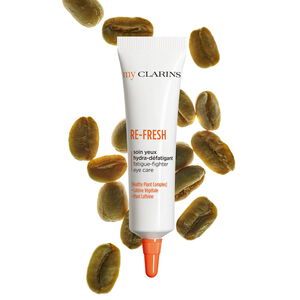
Texture is only part of the picture when choosing under eye skincare. Ingredients and the overall formulation help explain what a cream, serum or gel is intended to do. Humectants such as glycerin and hyaluronic acid attract water and support hydration, making them relevant to skin that feels dry or looks finely creased. Emollients help soften the skin and give a formula its smooth, comforting feel, while ingredients such as ceramides can support the skin’s moisture barrier. Caffeine features in some eye treatments aimed at the appearance of puffiness, and peptides appear in formulas designed to support a smoother-looking eye contour. These ingredients are not interchangeable, and the presence of one ingredient does not establish how a finished formula will perform. Product descriptions and directions provide a fuller picture of intended use, especially for anyone with sensitive skin or a history of discomfort around the eyes. Fragrance-free options may be worth considering if fragranced skincare tends to sting, although no description can guarantee suitability for every person. Equally, a tingling sensation is not a necessary sign that an eye treatment is working. The desirable feel is comfortable rather than sharp, hot or irritating. Application style also affects the experience: eye formulas generally need only a small amount, spread with a light touch rather than rubbed firmly into the skin. The exact quantity and placement should follow the product directions, as some formulas are intended for the under eye area alone and others are suitable for a wider eye contour. Keeping products out of the eyes and away from the lash line unless expressly directed helps avoid unnecessary discomfort. A metal applicator can give a cool touch, while a narrow nozzle makes a small quantity easier to dispense. Neither feature replaces a suitable formula, but both can influence how pleasant and manageable a product feels. For someone who dislikes handling rich textures, a tube or pump may be more appealing than a jar; for someone who enjoys a soft, balm-like consistency, the texture itself may be the deciding detail.
Eye masks and patches offer another way to match under eye care to personal preferences. Their shape, flexibility and formula affect how they sit beneath the eyes: a soft, curved patch should rest comfortably without pressing against the lower lashes or requiring the skin to be stretched into place. Fabric-backed patches and gel-like formats have different feels, so the material can be just as relevant as the serum they hold. Directions matter here, particularly for placement, removal and whether the format is intended for a single application. A comfortable fit should not involve stinging, pulling or slipping towards the eyes. Packaging deserves similar attention across the category. Secure caps, intact seals and containers kept away from excessive heat and direct light help protect the formula, while avoiding added water helps preserve its intended composition. Storage requirements can differ, and a cool-feeling texture does not automatically mean that a product belongs in the fridge. For shoppers choosing a gift, under eye care works particularly well when it reflects a preference the recipient has already expressed, such as a fondness for lightweight gels, comforting creams or soft eye patches. It can be a thoughtful choice for a skincare enthusiast who enjoys targeted treatments, or for someone who appreciates a compact, uncomplicated addition to their facial care. Framing the gift around comfort and enjoyment is more considerate than suggesting that the recipient needs to correct their appearance. The Under Eye Care Gifts page offers a focused place to explore that theme. Whether chosen for personal use or as a present, these products are most appealing when their texture, packaging and intended benefits suit the person using them. A light gel, a velvety cream and a flexible patch can each offer a distinct experience, with the shared aim of helping the delicate under eye area feel cared for and look smoother, softer and more refreshed.
Texture is only part of the picture when choosing under eye skincare. Ingredients and the overall formulation help explain what a cream, serum or gel is intended to do. Humectants such as glycerin and hyaluronic acid attract water and support hydration, making them relevant to skin that feels dry or looks finely creased. Emollients help soften the skin and give a formula its smooth, comforting feel, while ingredients such as ceramides can support the skin’s moisture barrier. Caffeine features in some eye treatments aimed at the appearance of puffiness, and peptides appear in formulas designed to support a smoother-looking eye contour. These ingredients are not interchangeable, and the presence of one ingredient does not establish how a finished formula will perform. Product descriptions and directions provide a fuller picture of intended use, especially for anyone with sensitive skin or a history of discomfort around the eyes. Fragrance-free options may be worth considering if fragranced skincare tends to sting, although no description can guarantee suitability for every person. Equally, a tingling sensation is not a necessary sign that an eye treatment is working. The desirable feel is comfortable rather than sharp, hot or irritating. Application style also affects the experience: eye formulas generally need only a small amount, spread with a light touch rather than rubbed firmly into the skin. The exact quantity and placement should follow the product directions, as some formulas are intended for the under eye area alone and others are suitable for a wider eye contour. Keeping products out of the eyes and away from the lash line unless expressly directed helps avoid unnecessary discomfort. A metal applicator can give a cool touch, while a narrow nozzle makes a small quantity easier to dispense. Neither feature replaces a suitable formula, but both can influence how pleasant and manageable a product feels. For someone who dislikes handling rich textures, a tube or pump may be more appealing than a jar; for someone who enjoys a soft, balm-like consistency, the texture itself may be the deciding detail.
Eye masks and patches offer another way to match under eye care to personal preferences. Their shape, flexibility and formula affect how they sit beneath the eyes: a soft, curved patch should rest comfortably without pressing against the lower lashes or requiring the skin to be stretched into place. Fabric-backed patches and gel-like formats have different feels, so the material can be just as relevant as the serum they hold. Directions matter here, particularly for placement, removal and whether the format is intended for a single application. A comfortable fit should not involve stinging, pulling or slipping towards the eyes. Packaging deserves similar attention across the category. Secure caps, intact seals and containers kept away from excessive heat and direct light help protect the formula, while avoiding added water helps preserve its intended composition. Storage requirements can differ, and a cool-feeling texture does not automatically mean that a product belongs in the fridge. For shoppers choosing a gift, under eye care works particularly well when it reflects a preference the recipient has already expressed, such as a fondness for lightweight gels, comforting creams or soft eye patches. It can be a thoughtful choice for a skincare enthusiast who enjoys targeted treatments, or for someone who appreciates a compact, uncomplicated addition to their facial care. Framing the gift around comfort and enjoyment is more considerate than suggesting that the recipient needs to correct their appearance. The Under Eye Care Gifts page offers a focused place to explore that theme. Whether chosen for personal use or as a present, these products are most appealing when their texture, packaging and intended benefits suit the person using them. A light gel, a velvety cream and a flexible patch can each offer a distinct experience, with the shared aim of helping the delicate under eye area feel cared for and look smoother, softer and more refreshed.

