
Products For Healthy Skin
Maintaining healthy skin is essential for overall well-being and confidence. There are a variety of products available on the market that can help improve the health and appearance of your skin.

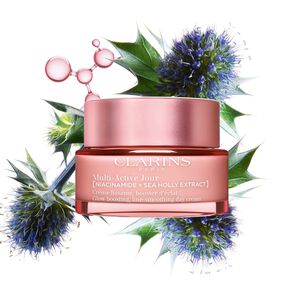


Products For Healthy Skin
Products for healthy skin bring together hydration, nourishment and targeted care to help skin feel comfortable and look smooth, supple and radiant. Healthy-looking skin does not have a single texture or finish: it can be dry, oily, combination or sensitive, with different needs across the face and body. A moisturiser that feels reassuring on tight cheeks may feel too rich across a shiny forehead, while a light gel can offer a comfortable texture for skin that dislikes heavier creams. This makes texture and suitability just as important as the benefit described on the packaging. Lotions offer a fluid feel and spread easily, gels tend to feel light, and richer creams provide a more enveloping layer of comfort. Serums offer another way to address a particular concern, such as dehydration, dullness or an uneven-looking texture, without necessarily adding a rich finish. Facial oils can suit those who enjoy a silky application and a soft sheen, although their role is different from that of a water-based hydrating formula. For skin that feels rough around the cheeks or tight across the forehead, products focused on moisture and comfort can be especially appealing. Where excess shine is the main concern, lightweight hydration offers an alternative to a heavy, buttery texture. Combination skin may benefit from a flexible approach, with a richer moisturiser used only where it feels welcome. The aim is a comfortable balance rather than an identical finish across every part of the face. A healthy-looking glow can sit alongside freckles, visible texture and variations in tone; skincare is about supporting comfort and appearance, not creating a featureless surface. Across these different preferences, products for healthy skin offer a broad range of formats, from fluid facial lotions to cushioning body creams, with choices shaped by how skin feels as much as how it looks.
Ingredients help distinguish one type of skincare from another, but the complete formula matters more than a single name on the label. Humectants such as glycerine and hyaluronic acid help attract and hold moisture, making them familiar choices in hydrating serums, lotions and creams. Emollient ingredients help soften the feel of rough skin, while richer formulations can help limit moisture loss and leave a more cushioned finish. Ceramides are lipids found within the skin’s protective barrier and are also used in skincare designed to support that barrier. These ingredients can appear in very different textures, so a formula does not have to feel thick to offer meaningful moisturisation. For someone whose skin feels tight but looks shiny, a fluid moisturiser with hydrating ingredients may feel more agreeable than a dense balm. For skin that feels dry across the cheeks and jaw, a cream with a more substantial texture may provide the desired comfort. Sensory preferences matter too: a velvety finish, a silky slip or a barely noticeable gel texture can make a product feel particularly suited to its intended use. Fragrance is another consideration, especially for those who know their skin reacts to particular ingredients. Fragrance-free options may appeal to sensitive skin, although suitability depends on the whole formula and individual tolerance. Exfoliating products serve a different purpose from basic moisturisers, helping refine the feel of rough texture; they deserve particular attention to the directions and compatibility information on their labels. More intensive sensations are not a measure of better care, and a comfortable application is a more useful expectation than tingling or tightness. Formulas designed for the eye contour, lips, hands or body also reflect the distinct needs and preferred textures of those areas. A rich hand cream, for example, may be chosen for dry-feeling knuckles, while a fluid body lotion may appeal to someone who wants easy spreadability across arms and legs. Matching the formula to the area, concern and preferred finish helps keep a skincare collection purposeful rather than crowded.
The way a product fits into a skincare routine is another useful part of choosing products for healthy skin. A serum and moisturiser should feel agreeable together, without leaving an uncomfortable film or gathering into small rolls across the skin. Texture compatibility is particularly relevant for anyone who prefers several complementary formulas rather than a single cream. Pumps offer controlled dispensing, tubes can be convenient to handle, and jars provide easy access to richer textures; the most suitable format depends on dexterity, preference and the product itself. Secure closures and packaging that is comfortable to hold are practical details worth considering, particularly for products carried in a wash bag. Following storage directions and keeping lids properly closed helps protect the formula, while handling products as directed helps maintain their condition. Products for the face are not automatically interchangeable with those intended for the eye contour or body, so the stated area of use remains important even when two textures look similar. Sun protection is another distinct category, with labelled protection levels and application directions that deserve attention rather than assumptions based on how rich or light the formula feels. For a broader view of complementary textures and purposes, explore Skin Care Products to find options aligned with individual preferences. Skincare can also make a thoughtful gift when the recipient’s tastes are familiar. A silky body lotion or comforting hand cream may suit someone who enjoys tactile beauty rituals, whereas facial treatments are more personal choices because skin sensitivities and texture preferences vary. Familiarity with a preferred finish or fragrance can make that choice feel considered rather than generic. Whether chosen for personal use or as a gift, the appeal lies in products that feel pleasant to apply and appropriate for the person using them. Comfortable textures, clear purposes and well-matched formulas give products for healthy skin their place in a considered beauty collection.
