
Powder Brushes
Powder brushes are an essential tool in any makeup kit, used to apply loose or pressed powder to the face for a flawless finish. These brushes come in various shapes and sizes, each designed for a specific purpose.
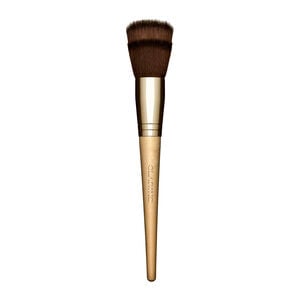

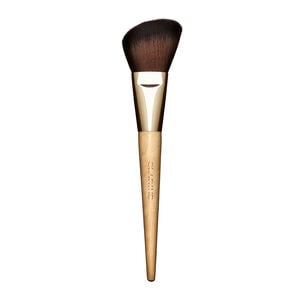

Powder Brushes
Powder brushes bring a soft, even veil of make-up to the complexion, helping loose and pressed powders sit smoothly rather than gather in heavy patches. Their generous heads and flexible bristles make them well suited to setting foundation, softening visible shine and bringing different areas of make-up together. Unlike a powder puff, which presses powder closely against the skin, a fluffy powder brush generally disperses it more lightly, allowing the finish beneath to show through. The shape and density of the head influence how much powder is picked up and where it settles. A broad, rounded brush covers the forehead and cheeks with sweeping strokes, while a tapered shape offers closer placement beside the nose and beneath the eyes. Loosely arranged bristles tend to give a sheer dusting; a fuller, more compact head can distribute powder with greater coverage. Neither shape needs to feel scratchy or stiff against the face. A comfortable brush has bristles that bend gently against the contours of the cheeks without collapsing completely under light pressure. Size matters in relation to the face as well as the make-up bag: a very large head may feel comfortable across broad areas but less precise around the centre of the face. A smaller powder brush can suit anyone who prefers selective setting rather than an all-over matte finish. Handle length, grip and balance also affect how the brush feels in the hand. A substantial handle may offer reassuring control, while a shorter shape can be easier to manoeuvre close to a mirror. For someone building a make-up collection, a versatile rounded brush provides a useful starting point; for a confident make-up wearer, a more defined shape can complement existing tools and make placement more deliberate. These differences make powder brushes suitable for a wide range of preferences, from barely visible setting to a more velvety, polished complexion.
The powder itself has a part to play in choosing a brush. Loose setting powder is finely dispersed, so an airy brush head can help spread a small amount across the face without obscuring the texture of the skin. Pressed powder offers a more contained surface for picking up pigment, and a brush with slightly firmer bristles can provide controlled contact with the pan. Mineral powder foundation may call for a denser head where greater coverage is wanted, although the suitability of any brush depends on the texture and application directions of the make-up. Finishing powder is generally used for its effect on the appearance of the completed look, making softness and even distribution particularly useful. On cheeks that already have a satin finish, a light dusting can soften shine without making the whole face appear flat. Around the nose, a tapered brush allows more selective placement without covering adjacent areas unnecessarily. Beneath the eyes, a smaller, softly shaped head offers more control than a broad sweep of bristles. Powder brushes can also suit powder bronzer or blusher, provided their size allows the colour to stay within the intended area. A generous rounded head can diffuse bronzer across the upper cheeks, while a smaller shape offers greater control over blusher placement. Keeping separate brushes for face powder and strongly pigmented colour helps prevent an unintended tint in a translucent finish. Excess powder caught in the bristles can leave an uneven patch, so a lightly loaded brush usually offers more control than a heavily coated one. Smooth sweeping movements tend to give a diffused result, while gentle pressing can place powder more precisely where foundation needs setting. Comfort is as important as technique: the bristles should glide over the face rather than drag at it. For make-up wearers who enjoy visible radiance on the cheekbones but prefer less shine through the centre of the face, the right brush makes that contrast easier to maintain without applying the same amount of powder everywhere.
Materials and construction help distinguish a brush that feels pleasant in the hand from one that is awkward to use. Synthetic bristles are a familiar choice for powder make-up, offering a consistent fibre structure that can be shaped into rounded, domed or tapered heads. Their performance depends on the fineness, flexibility and arrangement of the fibres, not simply on how densely they are packed. A very full brush is not automatically softer, and an especially large head is not necessarily more versatile. The connection between the bristles and handle deserves attention too: the ferrule, the band surrounding the base of the brush head, should feel secure, with no distracting movement at the join. A smooth handle and comfortable grip support controlled application, particularly for anyone who finds a slender handle difficult to hold. For a broader selection of gentle textures and shapes, Soft Make-up Brushes complement an individual approach to applying powder and other make-up. Thoughtful care helps preserve the shape and feel of these tools. Gentle washing with a suitable brush wash or mild soap lifts away powder, make-up residue and oils; thorough rinsing prevents a soapy feel between the fibres. Keeping water away from the handle joint helps protect the construction, while reshaping the damp head and laying the brush flat to dry supports its intended outline. Bristles benefit from storage that leaves them uncrushed, whether in an upright holder or a spacious brush case. A cap or pouch should accommodate the head without bending the fibres tightly together. Powder brushes also make considered gifts for someone who enjoys cosmetics, since their usefulness is not tied to a particular foundation shade. A softly rounded, comfortable brush can appeal to a make-up beginner, an enthusiast refining their tools or someone who simply enjoys a smooth, carefully finished complexion. The most suitable choice brings together a pleasing feel, a manageable shape and the right degree of control for the powders it will apply.
