
Plumping Skincare
In the world of skincare, one term that has gained popularity in recent years is "plumping." This refers to products and treatments that aim to increase hydration and volume in the skin, giving it a more youthful and radiant appearance.


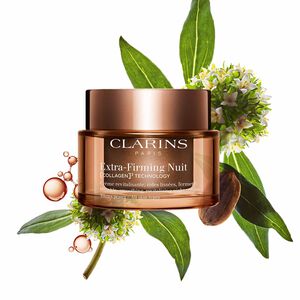


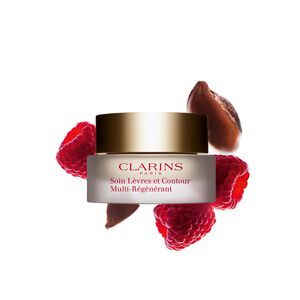

Plumping Skincare
Plumping skincare is centred on skin that looks supple, feels comfortable and has a softly cushioned appearance. Hydration is central to that effect: when the skin’s outer layers hold sufficient moisture, the surface can look smoother and fine lines caused by dehydration may appear less noticeable. The appeal is as much about feel as appearance, from cheeks that feel less tight to a forehead with a softer, more flexible finish. Plumping describes this hydrated look rather than a change to facial structure, and the category includes a variety of textures to suit different skin preferences. Lightweight serums offer a fluid layer, gel creams provide a soft, refreshing feel, and richer moisturisers bring a more enveloping texture to skin that feels dry or uncomfortable. Ingredient choices help explain these differences. Humectants such as glycerin and hyaluronic acid attract and hold water, while emollients help soften rough-feeling areas and give the surface a smoother touch. Formulas containing ceramides may also support the skin’s moisture barrier, which helps limit moisture loss. These ingredient types can complement one another, so a satisfying plumping formula is not necessarily the one with the longest ingredient list or the thickest consistency. The balance between hydration, softness and finish matters more than a single ingredient name. A face that feels tight but looks shiny may benefit from a different texture than skin with persistent dryness across the cheeks and jaw. Likewise, someone who enjoys an almost weightless finish may prefer a fluid moisturiser, whereas someone who likes a cocooning feel may find a cream more appealing. Across these preferences, the common thread is skincare that leaves the complexion looking comfortably hydrated, with a smoothness that remains believable rather than excessively glossy. A plump-looking finish can be softly radiant or more understated; visible shine is not a requirement for skin to feel well moisturised. Texture, tolerance and the condition of the skin all have a part to play in finding that balance.
Choosing between plumping skincare textures often comes down to how a formula behaves on the face, not simply how it feels on a fingertip. A silky serum may spread easily across the cheeks and forehead without leaving much residue, making it appealing to someone who dislikes a heavy coating. A gel cream can offer a cushioned feel with a lighter finish, while a dense cream may suit areas that feel rough, tight or short of suppleness. Combination skin can have contrasting needs within the same face: the centre may feel comfortable with a light layer, while the cheeks welcome a richer texture. More cream is not automatically more hydrating, and a small amount that spreads evenly can feel more comfortable than a thick layer that sits on the surface. Formulas designed for sensitive skin warrant particular attention to the ingredient list and any stated suitability, especially where fragrance or a known ingredient sensitivity is a concern. A pleasant scent is a matter of preference, not a measure of how effectively a moisturiser hydrates. Similarly, a silky texture does not reveal everything about a formula’s suitability for an individual complexion. The most useful distinctions are often practical ones: whether a serum feels sticky, whether a cream leaves an unwanted sheen, and whether the finish feels comfortable around expressive areas such as the cheeks and mouth. Hydrating masks offer another texture choice, with cream and gel formats providing different levels of richness and different removal requirements. Eye-area skincare has its own suitability considerations, so a facial cream should not be assumed suitable for the delicate skin close to the eyes unless its directions allow it. Across serums, moisturisers and masks, clear application directions and ingredient information help make comparisons meaningful. A formula that suits the skin’s preferences and sits comfortably alongside other skincare is often a more considered choice than one selected solely for an appealing ingredient or an especially luxurious texture.
A plumping skincare selection can be kept straightforward, with each layer serving a distinct purpose. A hydrating serum contributes a light, moisture-focused layer, while a moisturiser adds softness and helps retain hydration at the surface. Not every complexion needs several layers to achieve a comfortable finish; a well-matched cream may provide the texture and care someone prefers on its own. Gentle application matters, particularly across skin that feels tight or easily irritated. A formula with enough slip to spread without dragging can make the experience more pleasant, and there is no need for forceful massage to create a plump-looking result. Products should be used according to their directions, with care taken around any areas the label advises avoiding. Hygienic handling also belongs alongside texture and ingredient preferences: washed hands, a properly closed lid and an applicator used as directed help keep skincare in good condition. Packaging can influence ease of use, too. Pumps allow controlled dispensing, tubes can make it easier to take a modest amount, and jars offer access to richer textures. These are practical differences rather than guarantees of performance, but they can affect how enjoyable a formula feels to use. For those drawn particularly to a cushioned moisturising texture, Plumping Anti-Ageing Creams offers a related selection to explore. Plumping skincare can also make a thoughtful beauty gift when the recipient’s preferences are understood. Someone who loves a rich, velvety cream may appreciate a different texture from someone who favours fragrance-free fluids and a barely-there finish. Sensitivities, preferred formats and the skincare they already enjoy are more useful considerations than assumptions about their complexion. Whether chosen for personal use or as a gift, the appeal lies in comfortable hydration, tactile pleasure and a softer-looking surface: skincare selected to suit the person using it, with a finish that feels as good as it looks.
