
Nourishing Skincare
Skincare is an essential part of our daily routine, as it plays a crucial role in maintaining the health and appearance of our skin. Nourishing skincare products are specifically formulated to provide the skin with the nutrients it needs to stay healthy and radiant.




Nourishing Skincare
Nourishing skincare focuses on replenishing moisture and supporting the skin’s protective barrier, helping a dry or uncomfortable complexion feel softer, smoother and more supple. Hydration and nourishment are closely connected, but they describe slightly different needs: hydrating ingredients help attract water to the skin, while emollients and lipid-rich textures soften its surface and help limit moisture loss. A formula that combines these qualities can be particularly appealing for skin that feels tight, looks flaky or has a rough texture across the cheeks. Nourishment is not reserved for very dry skin, however. A combination complexion can have oily areas alongside patches that need extra comfort, while skin that lacks water may benefit from a lighter moisturising texture rather than a dense balm. The most suitable choice depends on how the skin feels, the finish preferred and the area being treated. A cushiony facial cream offers a different experience from a fluid serum or silky facial oil, even where their intended benefits overlap. Richness describes texture, rather than suitability for every skin type, so a cream need not feel heavy to offer a satisfying level of comfort. Equally, a substantial balm can be appealing where the skin feels particularly dry or exposed to friction. Nourishing facial skincare, lip care, hand creams and body moisturisers each address different areas, with textures shaped around their intended use. The delicate lip area may suit a protective balm, whereas the body can accommodate a more generous, spreadable cream. For someone whose cheeks feel tight but whose forehead looks shiny, a lighter facial lotion may feel more balanced than an equally rich texture applied everywhere. These distinctions make nourishing skincare a broad category, united by an emphasis on comfort, suppleness and a well-moisturised appearance rather than a single texture or skin type. It is an approach that accommodates both a preference for featherlight layers and an enjoyment of richer, enveloping formulas.
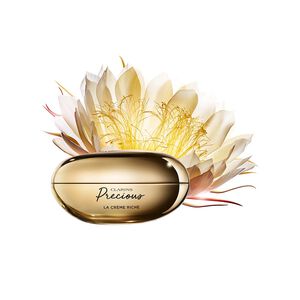
Ingredients help explain the differences between nourishing formulas. Glycerine and hyaluronic acid are humectants, valued for their ability to attract and hold water within the skin’s surface layers. Ceramides are lipids found within the skin barrier, and their inclusion in skincare can help support its moisture-retaining function. Squalane, shea butter and selected plant oils act as emollients, giving rough-feeling skin a softer, more pliable feel. Some formulas combine several ingredient types, bringing hydration and a comforting finish into the same texture. An ingredient list is useful context, but the complete formulation matters more than the reputation of any single component: the balance of water, oils and other ingredients determines how a product spreads, absorbs and feels on the skin. A serum may have a fluid, almost weightless consistency, while an emulsion offers a soft, milky feel and a balm provides a denser coating. Facial oils offer slip and help soften the skin, but they do not serve exactly the same purpose as a water-based moisturiser. Their appeal lies in their emollient character and the tactile comfort they can add to a skincare routine. For those drawn to cushiony moisturising textures, the Nourishing Creams collection offers a focused way to explore this part of facial care. Texture preferences can be quite personal: one person may enjoy a cream that leaves a delicate sheen, while another prefers a velvety finish with less surface slip. Skin sensitivity also deserves consideration, particularly where fragrance or particular ingredients are known to cause discomfort. Fragrance-free options may appeal to some people, although no single label guarantees that a formula will suit every complexion. Clear ingredient information and suitability statements provide a more useful basis for choosing than richness alone. A pleasing scent, an elegant texture or a luxurious feel can enhance the experience, but compatibility with the skin should remain central. Nourishing skincare works most convincingly as a category when sensory pleasure and a clear cosmetic purpose sit comfortably together, without the expectation that every formula should feel identical.
Choosing nourishing skincare also involves considering how each texture fits with the rest of a personal care routine. A facial moisturiser should feel comfortable alongside a preferred serum, without an unpleasantly sticky or overly coated finish. A small amount of a concentrated texture may spread generously, whereas a lighter lotion can feel easier to distribute across a larger area. Application directions help clarify the intended amount, placement and compatibility with other care, particularly for formulas containing exfoliating acids or other active ingredients. Nourishment does not require a complicated assortment of products; a small, well-chosen selection can provide a satisfying balance of hydration, softness and comfort. For skin that feels tender or is prone to irritation, a restrained approach and a patch test can be sensible considerations. Persistent discomfort, cracking or unexplained redness warrants advice from a pharmacist or qualified healthcare professional rather than reliance on cosmetic care alone. Packaging contributes to the experience too. A pump can make a fluid lotion straightforward to dispense, a tube is convenient for a handbag, and a jar provides access to a richer cream with a scoopable texture. Secure closures and careful handling help protect the formula; avoiding the introduction of water into a container is especially important. Body care has its own practical considerations, from a lotion that spreads easily over arms and legs to a richer cream for rough-feeling elbows. Hand care may be chosen for a non-slippery finish, while lip care often centres on a smooth, comfortable coating. Nourishing skincare can also make a thoughtful gift when the recipient’s preferences are familiar. A mum who enjoys rich body creams may appreciate a different texture from someone who favours understated, fragrance-free facial care. Familiarity with their preferred scents, sensitivities and application style makes the choice more personal. Across facial and body care, the appeal is straightforward: thoughtfully chosen textures that leave skin feeling cared for, comfortably moisturised and pleasantly soft to the touch.
