
Night Creams For Refreshed Skin
Night creams for refreshed skin are designed to complement your evening beauty routine, helping you wake up to a radiant and revitalised complexion. These luxurious formulas work while you rest, providing essential hydration and comfort. Explore a range that pampers your skin overnight, leaving it looking supple and beautifully renewed by morning. Discover how the right night cream can help you achieve that sought-after refreshed appearance each day.

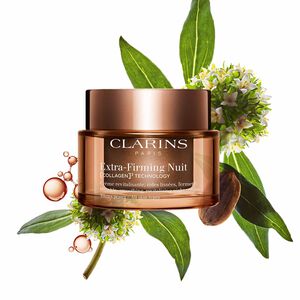
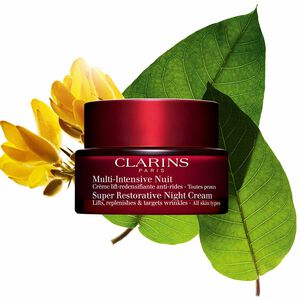
![Hydra-Essentiel [HA²] Night Cream](https://www.clarins.co.uk/dw/image/v2/AAFS_PRD/on/demandware.static/-/Sites-clarins-master-products/en_GB/dwe4e730ad/original/80092161_original_original_1.jpg?sw=300&sh=300 "Hydra-Essentiel [HA²] Night Cream")


Night Creams For Refreshed Skin
Night creams for refreshed skin are designed to provide a comforting final layer in an evening skincare routine, helping to replenish moisture and leave the complexion feeling soft, supple and rested by morning. Their richer textures can be especially appealing when skin feels tight after cleansing, looks lacklustre or has been exposed to dry indoor air and cooler conditions. While daytime moisturisers often focus on a fresh finish beneath make-up and daily protection, a night cream can offer a more cushioning texture that stays close to the skin as you sleep. Look for ingredients that suit your individual needs: hyaluronic acid helps attract moisture, ceramides support the skin’s protective barrier, squalane helps reduce the feeling of dryness, and shea butter provides nourishing comfort. Peptides and antioxidant ingredients are also popular choices in formulas created to help skin look smoother, plumper and more revitalised. If your complexion is sensitive or easily unsettled, a simple cream with soothing ingredients such as oat extracts, glycerine or shea butter may be preferable to a highly active formula. For combination or oily skin, choose a lightweight night cream with a soft, non-greasy finish, applying a thin layer to avoid a heavy sensation. Dry skin may welcome a denser balm-like texture, particularly across the cheeks, around the mouth and along the jawline, where moisture can be lost more easily. A night cream can also be a thoughtful beauty gift for someone building a more considered routine, especially when chosen according to their preferred texture and skin type. For a wider selection, explore Adult Night Creams and compare nourishing, hydrating and smoothing options in one place.
To use a night cream, begin with clean skin and apply any facial toner, serum or targeted treatment that forms part of your usual routine. Take a small amount of moisturiser, warm it between your fingertips and press it gently over the face, extending down towards the neck if that area is included in your routine. Slow, light strokes can make application feel like a calming ritual, while pressing rather than rubbing helps avoid tugging delicate areas. A little product is usually enough; the aim is to leave skin comfortable and cushioned, not coated. Those using ingredients such as retinoids, exfoliating acids or concentrated vitamin C should introduce products carefully, follow the directions provided and consider alternating active treatments with a straightforward moisturiser if their skin becomes dry or reactive. Patch testing is a sensible step when trying an unfamiliar formula, particularly for sensitive complexions. It is also worth considering fragrance preferences, finish, packaging and how the cream feels after application, since a product that fits naturally into a routine is more likely to be used consistently. Skin can feel different as the weather shifts from mild to cooler conditions, so some people prefer a light lotion when the air feels comfortable and a richer cream when the complexion needs extra comfort. Others may choose one versatile formula that absorbs neatly without leaving a sticky residue on pillows or hair. The right night cream should leave skin feeling nourished and refreshed rather than tight, greasy or congested, with a texture that complements the rest of the routine and supports a smooth, healthy-looking complexion.
To use a night cream, begin with clean skin and apply any facial toner, serum or targeted treatment that forms part of your usual routine. Take a small amount of moisturiser, warm it between your fingertips and press it gently over the face, extending down towards the neck if that area is included in your routine. Slow, light strokes can make application feel like a calming ritual, while pressing rather than rubbing helps avoid tugging delicate areas. A little product is usually enough; the aim is to leave skin comfortable and cushioned, not coated. Those using ingredients such as retinoids, exfoliating acids or concentrated vitamin C should introduce products carefully, follow the directions provided and consider alternating active treatments with a straightforward moisturiser if their skin becomes dry or reactive. Patch testing is a sensible step when trying an unfamiliar formula, particularly for sensitive complexions. It is also worth considering fragrance preferences, finish, packaging and how the cream feels after application, since a product that fits naturally into a routine is more likely to be used consistently. Skin can feel different as the weather shifts from mild to cooler conditions, so some people prefer a light lotion when the air feels comfortable and a richer cream when the complexion needs extra comfort. Others may choose one versatile formula that absorbs neatly without leaving a sticky residue on pillows or hair. The right night cream should leave skin feeling nourished and refreshed rather than tight, greasy or congested, with a texture that complements the rest of the routine and supports a smooth, healthy-looking complexion.

