
Night Cream
Night cream is an essential part of any skincare routine, particularly for those looking to combat the signs of ageing and improve overall skin health. Unlike regular moisturisers, night creams are formulated with potent ingredients that work to repair and rejuvenate the skin while you sleep.


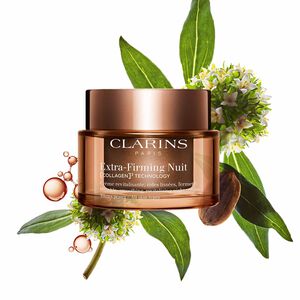
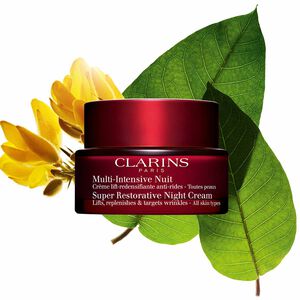


Night Cream
A night cream is a facial moisturiser formulated to hydrate, soften and nourish the skin, with textures ranging from light creams to rich, enveloping balms. Its main purpose is to help skin feel comfortable and supple while supporting the moisture barrier, the outer layer that helps hold hydration within the skin. Many night creams combine ingredients that attract water with emollients that smooth roughness and help limit moisture loss. The result should be skin that feels cushioned rather than coated, with a softer surface and a fresher, more radiant appearance. Although richness is often associated with this category, a heavier texture is not automatically a better choice: the right consistency depends on skin type, personal preference and the other products in a skincare routine. Dry skin may welcome a substantial cream that eases feelings of tightness across the cheeks, while combination skin can suit a lighter texture that gives comfort without adding an overly glossy finish to the forehead and nose. For oily skin, a fluid cream or gel-cream can provide hydration with a less substantial feel. Skin that feels sensitive may benefit from a straightforward formula chosen with particular care around fragrance and any ingredients known to cause discomfort. There is also a difference between skin that lacks oil and skin that lacks water. A complexion can look shiny yet still feel tight, so selecting a night moisturiser purely on how much oil is visible can overlook its hydration needs. Texture offers a useful starting point, but the feel of the skin matters just as much. A suitable cream should spread comfortably, sit well alongside other facial care and leave neither a greasy film nor an uncomfortable pulling sensation. Whether the priority is softness, a smoother-looking surface or relief from a dry, papery feel, this category offers a range of finishes to suit different preferences without making a complicated routine necessary.
Ingredients help explain why one night cream feels different from another. Glycerine and hyaluronic acid are humectants, which means they attract water and help hydrate the upper layers of the skin. They are useful ingredients to look for when the complexion feels thirsty or looks less plump. Emollients such as squalane and shea butter help soften the surface, giving a cream its silky slip or more buttery feel. Ceramides are lipids found in the skin barrier; formulas containing them can help support that barrier and improve comfort where dryness is a concern. Niacinamide can support the moisture barrier and a more even-looking complexion, although suitability depends on the complete formula rather than a single ingredient. A product does not need an extensive list of featured ingredients to be useful, and a richer consistency does not reveal how concentrated its ingredients are. Consider the whole texture, its intended use and the directions supplied with it. For cheeks that feel rough to the touch, an emollient-rich cream may offer the cushioning finish that a very light gel lacks. For a face with an oily centre and drier outer areas, a balanced cream applied in a smaller quantity across the centre may feel more comfortable than a thick layer everywhere. Fragrance is another personal consideration: some people enjoy a softly scented facial cream, while others prefer fragrance-free skincare, particularly if their skin is easily unsettled. Packaging can matter too. A tube allows a small amount to be dispensed directly, a pump can make portioning straightforward, and a jar gives access to denser textures. None of these formats alone determines how well a formula will suit the skin. The most useful comparison brings together ingredient information, texture, sensitivity considerations and the finish preferred on the face. Hydrating skincare can soften the appearance of fine surface lines associated with dryness, but a comfortable, well-moisturised complexion is a more realistic expectation than a dramatic change in facial structure or expression.
A night cream should fit comfortably into the rest of a facial skincare routine rather than compete with it. Apply it to skin that has been gently washed and freed of surface impurities, following the product directions for the amount and areas of application. Spread a modest amount between the fingertips and smooth it over the face without pulling at the skin; add a little more only where extra comfort is needed. The neck and décolletage may also be suitable application areas if the label allows, while the delicate eye area requires attention to the stated directions. Using a thick layer is not a guarantee of greater hydration, and excess cream can leave the face feeling slippery or cause products to gather into small rolls on the surface. If several layers feel heavy, simplifying the combination may be more comfortable than adding another product. For those who prefer targeted care beneath their moisturiser, Night Serums offer complementary textures to consider, with the choice guided by skin needs and compatibility with the cream. A serum and a cream are not interchangeable: serums generally have a lighter consistency, whereas creams usually provide a more emollient finish. Neither an elaborate collection nor a large amount of product is essential to a satisfying routine. For skin that reacts easily, try an unfamiliar formula on a small area according to its instructions and discontinue use if irritation occurs. Keep lids securely closed, protect packaging from excessive heat and direct light, and avoid introducing water into the container. Use dry hands or a suitable spatula to remove cream from a jar, following any care directions supplied. As a gift, a facial moisturiser is most thoughtful when the recipient’s texture preferences and sensitivities are known. Someone who enjoys a plush, balm-like feel may appreciate a different style from someone who favours barely noticeable hydration. Personal comfort, careful handling and a formula suited to the complexion make night cream a considered part of facial care.

