
Make-up Tools
Make-up tools are essential for achieving a flawless and professional makeup application. From brushes to sponges, these tools are designed to help you blend, contour, and highlight your features with precision.


Makeup Tools
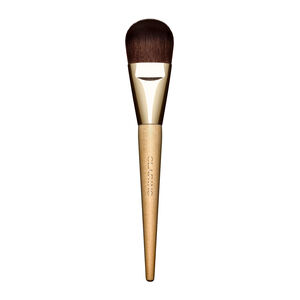
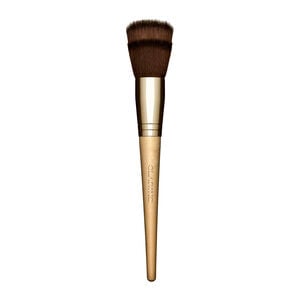
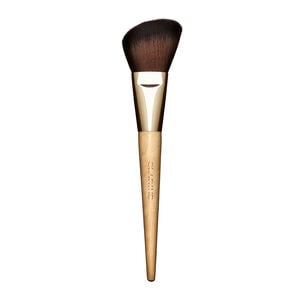
Make-up tools are brushes, sponges and accessories used to apply, blend and finish cosmetics across the face, eyes, lips and brows. Their shapes and textures influence how a colour sits on the skin, how precisely an edge is defined and how easily different layers blend together. A broad, loosely packed brush distributes powder across a larger area, while a smaller, denser head offers more focused placement. For foundation, a flat brush can spread liquid across the cheeks and forehead, a rounded buffing brush can soften visible edges, and a flexible sponge can press coverage around the nose and chin. The choice depends on the texture of the foundation and the finish preferred: sheer and softly diffused, or more concentrated where extra coverage is wanted. Powder brushes tend to have a fuller shape, giving loose or pressed powder room to disperse rather than gathering in a concentrated patch. Angled blusher brushes follow the curve of the cheek, while smaller tapered shapes offer control over highlighter placement along the cheekbones. A sponge with both a broad side and a pointed end offers different contact areas within one tool, making it useful for balancing larger areas with narrower contours. Powder puffs provide another application option, with a soft surface suited to pressing powder into selected areas rather than sweeping it across the face. These differences make tools useful companions to Make-up Products, helping translate a preferred colour or texture into a particular result. Someone who enjoys a light base may favour a small selection of versatile shapes, while someone who likes sculpted cheeks and a more polished finish may prefer separate tools for each texture. The aim is a comfortable match between the tool, the cosmetic and the level of control required, whether that means softly blended colour across the cheeks or precise coverage beside the nose. Even the size of a brush head matters: a compact shape offers targeted placement, whereas a wider head creates a broader veil of colour with each sweep.
Eye and brow tools bring a different kind of precision, with smaller heads designed for the contours of the eyelids and the fine detail of brow hairs. A flat eyeshadow brush places colour across the lid, while a rounded blending brush softens the boundary between shades. Shorter, firmer bristles can concentrate colour close to the lash line, giving a pencil or powder a smudged edge rather than a sharply drawn outline. For a defined flick, a fine liner brush offers a narrow point, while an angled brush provides a straight edge that can also help shape brows. The distinction is in the result as much as the shape: flexible fibres diffuse colour, whereas firmer fibres give more resistance and control. Brush size deserves consideration here, since a large blending head can spread colour beyond the intended area on a smaller eyelid. A compact head allows more deliberate placement without requiring a heavier application. Brow spoolies separate and arrange hairs, helping distribute brow colour and soften areas that look too heavily filled. A lash comb is designed to separate lashes, while an eyelash curler shapes them with a cushioned clamp; a comfortable fit follows the curve of the lash line without pinching. Lip brushes have a small, controlled shape for tracing the outline of the lips and distributing colour into the corners. Retractable designs and protective caps can help keep the brush head contained inside a make-up bag. Cosmetic pencil sharpeners are another practical accessory, with an opening that needs to match the pencil’s diameter and a blade suited to producing an even point. Mirrors also influence the application experience: a clear standard reflection helps assess the whole face, while magnification supports close detail around the eyes or lips. Together, these accessories suit both understated make-up and more expressive looks, from a softly blurred lip to a graphic line or carefully defined brow, without making a large collection essential.
Materials, construction and care are useful considerations across all make-up tools. Synthetic brush fibres can offer a smooth feel and work well with liquid, cream and powder textures, although fibre density, flexibility and head shape also affect performance. A well-assembled brush should feel secure where the fibres meet the ferrule, with a handle that sits comfortably between the fingers rather than slipping or pulling the grip off balance. Shorter handles can feel easier to manoeuvre close to a mirror, while longer handles offer a different balance for broader movements. Sponge texture matters too: a supple surface should compress comfortably against facial contours without feeling rough, and anyone sensitive to latex should check the stated material composition. For puffs, soft fabric and secure stitching contribute to a comfortable feel and a sturdy shape. Tool care helps preserve both application quality and condition. Washable brushes and sponges need care suited to their materials, following the manufacturer’s directions; mild soap and thorough rinsing may be appropriate where specified. Brush heads should dry fully with air able to circulate, while soaking handles or ferrules can weaken the joins. A misshapen brush head, loose ferrule, crumbling sponge or split curler pad can affect comfort and control. Storage is another practical detail: a case with enough space protects delicate brush shapes, and separate compartments keep small accessories from pressing against exposed fibres. A compact pouch suits a modest collection, while a structured case offers more organisation for several brush shapes and cosmetic accessories. As a gift, make-up tools can appeal to someone exploring different finishes as well as an enthusiast who enjoys precise application. A balanced selection centres on the recipient’s preferences, such as face brushes for softly blended coverage or smaller tools for detailed eye looks. Comfortable handling, suitable materials and thoughtful proportions give each piece a clear purpose, making the collection feel considered rather than crowded.
