
Hydrating Skincare For Winter
As the winter months approach, it is important to adjust your skincare routine to combat the harsh weather conditions that can leave your skin dry and dehydrated. Cold temperatures, wind, and indoor heating can strip your skin of its natural oils, leading to flakiness, redness, and irritation.
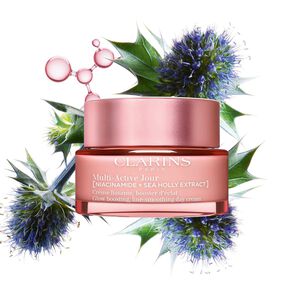


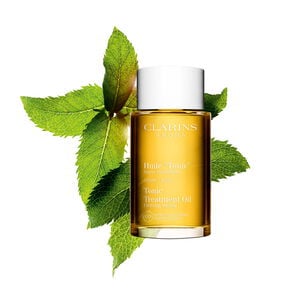

![Hydra-Essentiel [HA²] Bi-Phase Serum](https://www.clarins.co.uk/dw/image/v2/AAFS_PRD/on/demandware.static/-/Sites-clarins-master-products/en_GB/dw2d7f9100/original/80092151_original_original_1.jpg?sw=300&sh=300 "Hydra-Essentiel [HA²] Bi-Phase Serum")
![Hydra-Essentiel [HA²] Rich Cream](https://www.clarins.co.uk/dw/image/v2/AAFS_PRD/on/demandware.static/-/Sites-clarins-master-products/default/dw9427355b/original/80092158_original_original_1.jpg?sw=300&sh=300 "Hydra-Essentiel [HA²] Rich Cream")

![Hydra-Essentiel [HA²] Mask](https://www.clarins.co.uk/dw/image/v2/AAFS_PRD/on/demandware.static/-/Sites-clarins-master-products/en_GB/dw741f242b/original/80102843_original_original_1.jpg?sw=300&sh=300 "Hydra-Essentiel [HA²] Mask")
Hydrating Skincare For Winter
Hydrating skincare for cold weather is centred on moisture, comfort and support for the skin’s protective barrier. Low temperatures, dry air and indoor heating can leave the face feeling tight or looking less luminous, with rough patches becoming particularly noticeable across the cheeks. Hydrating serums, facial moisturisers, nourishing creams and masks offer different ways to address these concerns, with textures ranging from fluid gels to soft, enveloping balms. Their suitability depends on both skin type and how the skin feels: a face that looks shiny can still feel dehydrated, while dry skin may need moisture alongside richer ingredients that soften and smooth. Hydration describes the skin’s water content, whereas dryness is associated with a lack of oils; the two can overlap, but they are not interchangeable. This distinction helps explain why a lightweight serum and a richer moisturiser can complement one another rather than serve identical purposes. Humectants such as hyaluronic acid and glycerin attract water and help maintain hydration, giving skin a smoother, plumper appearance. Emollients soften roughness, while more occlusive ingredients help limit moisture loss from the surface. A balanced formula may combine these functions, offering more than richness alone. For someone whose cheeks feel taut in a heated office, a comfortable cream with moisture-binding ingredients may be more appealing than a very heavy texture. For skin that feels rough around the jaw or looks flaky beside the nose, a more cushioning finish may suit better. The aim is skin that feels supple rather than coated, with a level of nourishment appropriate to the area being treated. Hydrating skincare is not restricted to particularly dry complexions: combination, oily and sensitive skin can also benefit from thoughtfully chosen textures. The wider appeal lies in that flexibility, allowing moisture care to feel personal, practical and pleasant rather than defined by a single skin type or an assumption that thicker always means more hydrating.
Ingredients and texture provide useful context for choosing between hydrating skincare formulas. Glycerin is a well-established humectant found in many moisturising products, valued for its ability to help the outer layers of skin hold water. Hyaluronic acid also binds water and is often included in serums, gels and creams intended to improve the appearance of dehydration lines and leave the complexion looking fresher. Ceramides are lipids present in the skin’s barrier, and formulas containing them can help support that barrier and moisture retention. Panthenol, also known as provitamin B5, contributes to hydration and can help skin feel soothed. Emollients such as squalane and shea butter bring softness and slip, particularly welcome where the surface feels coarse or uncomfortable. No single ingredient tells the whole story, however: the overall formulation, concentration and balance of ingredients influence how a product performs and feels. A silky serum may spread easily without much residue, making it appealing to someone who dislikes the sensation of a substantial cream. A gel-cream can offer a lighter finish across a shiny forehead, while a richer moisturiser may feel more comfortable on dry cheeks. Facial oils provide emollience and can help soften skin, but they do not fulfil the same role as a water-based hydrating serum. Masks offer another texture choice, particularly for those who enjoy a generous, cocooning layer; whether they are removed or left on depends on the directions for the formula. Sensitive skin warrants attention to the full ingredient list, including fragrance, rather than relying solely on descriptions such as soothing or gentle. Individual tolerance varies, and even a beautifully textured cream is only a good match if it feels comfortable on the skin. A small patch test, following the product’s directions, can help assess suitability. For a broader selection of moisture-focused textures, hydrating skincare offers a related way to explore formulas suited to different preferences, from barely perceptible fluids to creams with a more substantial, velvety feel.
The intended area of use matters just as much as the richness of a formula. Facial skincare is designed with the complexion in mind, while lip balms, hand creams and body moisturisers address areas with their own texture and application needs. Lips may feel particularly uncomfortable in cold air, making a smooth, protective balm an appealing choice for softness without colour. Hands exposed to frequent washing can benefit from a cream that combines moisture-binding ingredients with emollients, especially across the knuckles and around the nails. Someone handling a phone, keyboard or fabric may prefer a hand cream with little surface residue, whereas very dry hands may welcome a denser balm. Body lotions spread easily over larger areas, while body creams and butters offer a richer feel for dry shins, elbows and knees. These differences make texture a practical consideration rather than simply a sensory preference. Packaging matters, too: a tube can make targeted application straightforward, a pump offers controlled dispensing, and a jar suits thicker textures that are easier to scoop. Following storage and application directions helps preserve the formula’s intended qualities; lids should be closed securely and products kept away from excessive heat. For the face, compatible textures can make layering more comfortable, with a fluid serum generally sitting beneath a cream rather than over a dense balm. More layers are not necessarily more helpful, particularly if the skin feels overloaded or develops irritation. A well-chosen moisturiser may provide the balance of hydration and softness a complexion needs without an elaborate arrangement of products. Persistent soreness, cracking or irritation deserves advice from a pharmacist or dermatologist rather than simply a richer cosmetic formula. As a gift, hydrating skincare is most thoughtful when it reflects the recipient’s preferences and known sensitivities: a softly textured body cream for someone who enjoys generous nourishment, or a light hand lotion for someone who dislikes a greasy finish. Across face, lips, hands and body, the most relevant qualities remain comfortable hydration, a texture that suits its purpose and a finish that leaves skin feeling cared for.
Ingredients and texture provide useful context for choosing between hydrating skincare formulas. Glycerin is a well-established humectant found in many moisturising products, valued for its ability to help the outer layers of skin hold water. Hyaluronic acid also binds water and is often included in serums, gels and creams intended to improve the appearance of dehydration lines and leave the complexion looking fresher. Ceramides are lipids present in the skin’s barrier, and formulas containing them can help support that barrier and moisture retention. Panthenol, also known as provitamin B5, contributes to hydration and can help skin feel soothed. Emollients such as squalane and shea butter bring softness and slip, particularly welcome where the surface feels coarse or uncomfortable. No single ingredient tells the whole story, however: the overall formulation, concentration and balance of ingredients influence how a product performs and feels. A silky serum may spread easily without much residue, making it appealing to someone who dislikes the sensation of a substantial cream. A gel-cream can offer a lighter finish across a shiny forehead, while a richer moisturiser may feel more comfortable on dry cheeks. Facial oils provide emollience and can help soften skin, but they do not fulfil the same role as a water-based hydrating serum. Masks offer another texture choice, particularly for those who enjoy a generous, cocooning layer; whether they are removed or left on depends on the directions for the formula. Sensitive skin warrants attention to the full ingredient list, including fragrance, rather than relying solely on descriptions such as soothing or gentle. Individual tolerance varies, and even a beautifully textured cream is only a good match if it feels comfortable on the skin. A small patch test, following the product’s directions, can help assess suitability. For a broader selection of moisture-focused textures, hydrating skincare offers a related way to explore formulas suited to different preferences, from barely perceptible fluids to creams with a more substantial, velvety feel.
The intended area of use matters just as much as the richness of a formula. Facial skincare is designed with the complexion in mind, while lip balms, hand creams and body moisturisers address areas with their own texture and application needs. Lips may feel particularly uncomfortable in cold air, making a smooth, protective balm an appealing choice for softness without colour. Hands exposed to frequent washing can benefit from a cream that combines moisture-binding ingredients with emollients, especially across the knuckles and around the nails. Someone handling a phone, keyboard or fabric may prefer a hand cream with little surface residue, whereas very dry hands may welcome a denser balm. Body lotions spread easily over larger areas, while body creams and butters offer a richer feel for dry shins, elbows and knees. These differences make texture a practical consideration rather than simply a sensory preference. Packaging matters, too: a tube can make targeted application straightforward, a pump offers controlled dispensing, and a jar suits thicker textures that are easier to scoop. Following storage and application directions helps preserve the formula’s intended qualities; lids should be closed securely and products kept away from excessive heat. For the face, compatible textures can make layering more comfortable, with a fluid serum generally sitting beneath a cream rather than over a dense balm. More layers are not necessarily more helpful, particularly if the skin feels overloaded or develops irritation. A well-chosen moisturiser may provide the balance of hydration and softness a complexion needs without an elaborate arrangement of products. Persistent soreness, cracking or irritation deserves advice from a pharmacist or dermatologist rather than simply a richer cosmetic formula. As a gift, hydrating skincare is most thoughtful when it reflects the recipient’s preferences and known sensitivities: a softly textured body cream for someone who enjoys generous nourishment, or a light hand lotion for someone who dislikes a greasy finish. Across face, lips, hands and body, the most relevant qualities remain comfortable hydration, a texture that suits its purpose and a finish that leaves skin feeling cared for.

