
Hand Treatments
Hand treatments are essential for maintaining healthy and youthful-looking hands. Our hands are constantly exposed to environmental factors such as sun exposure, harsh weather conditions, and frequent hand washing, which can lead to dryness, roughness, and premature ageing. To keep your hands looking their best, it is important to incorporate regular hand treatments into your skincare routine.


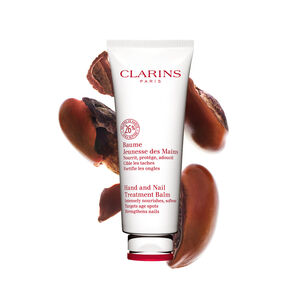


Hand Treatments
Hand treatments are designed to care for skin that is frequently exposed to washing, cleansing, handling and everyday activity. The hands can feel tight, rough or uncomfortable when their protective barrier is weakened, particularly across the knuckles, fingertips and cuticles. A targeted hand cream, balm or intensive treatment can help replenish moisture and leave the skin feeling softer, smoother and more comfortable. When choosing a formula, consider the texture as well as the ingredients. Lightweight creams are easy to apply throughout the day and absorb quickly, while richer balms are suited to very dry areas that need a more comforting layer. Glycerin helps attract moisture to the skin, shea butter provides nourishing comfort, and panthenol is valued for its soothing, conditioning properties. Urea can help soften rough, hardened skin, although higher concentrations may feel too intense on sensitive or cracked areas. Look for formulas that support the skin barrier and avoid applying fragranced or highly active products to broken skin if it feels sore or reactive. A small amount massaged over the palms, backs of the hands, fingers and around the nails can make a noticeable difference, with extra attention given to the areas that feel tight first. Apply hand treatment after washing, once the skin has been gently patted so it remains slightly damp, helping to seal in comfort. Reapply whenever the hands feel dry, particularly after cleansing or using hand sanitiser. For areas prone to cracking, a richer layer can be pressed over the skin and left undisturbed while it absorbs. Keep a convenient tube near a sink, in a handbag or beside a desk so hand care becomes a simple part of familiar routines rather than an occasional extra. Cuticle care is another useful consideration: nourishing ingredients can help soften the skin around the nails, making hands look neat and cared for without leaving a heavy residue. Those with sensitive skin may prefer a fragrance-free option with a short, gentle ingredient list, while anyone seeking a more luxurious feel may enjoy a delicately scented cream with a silky finish. Hand treatments also make thoughtful presents because they suit a wide range of preferences and can be enjoyed by anyone who appreciates a small daily ritual. A hand cream paired with other personal care treats can create a considerate gesture for a host, colleague, friend or family member; explore Hand Care Gifts for ideas presented with giving in mind.
The backs of the hands can benefit from care beyond moisture, especially when they appear dull, uneven in texture or less supple than usual. Products containing gentle smoothing ingredients may help refine the feel of rough skin, while formulas with peptides can support a conditioned, plumped appearance. Retinoid-based hand treatments are sometimes chosen for the look of fine lines and uneven texture, but they should be introduced carefully and used according to the product directions, as they may cause sensitivity. Avoid applying strong active ingredients to irritated, cracked or freshly exfoliated skin, and take extra care with sun protection when using products that can increase sensitivity. A hand cream with broad-spectrum SPF helps protect exposed skin from UV rays that can contribute to visible discolouration, loss of firmness and the appearance of lines. Apply it over the backs of the hands, fingers and wrists, then refresh the protective layer after handwashing or extended outdoor exposure. If a separate facial SPF is already part of a skincare routine, bringing the leftover product down over the hands is a practical way to avoid overlooking them. Exfoliating treatments can be useful for roughness, but they should remain gentle; abrasive scrubs and frequent acids may leave the skin feeling more sensitive rather than smoother. Look for softening formulations and follow them with a replenishing hand cream to restore comfort. Nails and cuticles often benefit from the same considered approach. Massage a little cream into each nail edge, press it into the cuticles and work across the joints, where dryness can be particularly noticeable. Those who wash their hands frequently, work with paper, handle tools, spend time in water or experience naturally dry skin may prefer a protective barrier cream with a more substantial finish. Anyone who dislikes residue can choose a fast-absorbing lotion and apply smaller amounts more often. A hand treatment can also complement a manicure by keeping the surrounding skin supple and polished in appearance, whether nails are bare or finished with colour. However, persistent cracking, bleeding, burning, swelling or painful irritation may need advice from a pharmacist, GP or dermatologist rather than cosmetic care alone. Professional options, including dermatological procedures for pronounced texture or pigmentation concerns, should be discussed with a qualified practitioner who can assess individual needs. For everyday maintenance, consistent application, gentle cleansing and protection from UV exposure provide a reliable foundation for hands that feel comfortable and look well cared for.
Choosing among hand treatments comes down to the condition of the skin, preferred finish and the way the product will be used. For immediate comfort, seek a creamy or balm-like texture with moisturising and barrier-supporting ingredients. For hands that feel rough but not severely dry, a smoothing lotion may provide a lighter option that sits comfortably beneath jewellery or alongside regular activities. For cracked fingertips and knuckles, a concentrated treatment can be applied directly to those areas rather than spread thinly over the entire hand. If presentation matters, consider whether the formula dries to a satin, matte or luminous finish, and whether its fragrance feels subtle enough for use around others. Packaging can also influence how consistently a product is used: a pump is convenient beside a basin, a compact tube travels easily and a richer pot can be kept as part of a more considered hand-care ritual. Gifts are especially appealing when they combine usefulness with a sensorial experience, such as a soft texture, elegant scent or comforting massage. They can be selected for someone who enjoys beauty rituals, someone who keeps their hands immaculate, or anyone who appreciates a practical touch of luxury. Hand treatments are suitable for all genders and can be chosen according to skin preference rather than a complicated routine. For a straightforward approach, cleanse gently, pat dry, smooth on treatment and pay attention to the backs of the hands, knuckles, fingertips and cuticles. Add UV protection when hands are exposed, and choose a richer layer whenever the skin feels tight or rough. With the right texture and ingredients, hand care can become a pleasing finishing step that leaves the hands soft, conditioned and ready for whatever the day brings.
The backs of the hands can benefit from care beyond moisture, especially when they appear dull, uneven in texture or less supple than usual. Products containing gentle smoothing ingredients may help refine the feel of rough skin, while formulas with peptides can support a conditioned, plumped appearance. Retinoid-based hand treatments are sometimes chosen for the look of fine lines and uneven texture, but they should be introduced carefully and used according to the product directions, as they may cause sensitivity. Avoid applying strong active ingredients to irritated, cracked or freshly exfoliated skin, and take extra care with sun protection when using products that can increase sensitivity. A hand cream with broad-spectrum SPF helps protect exposed skin from UV rays that can contribute to visible discolouration, loss of firmness and the appearance of lines. Apply it over the backs of the hands, fingers and wrists, then refresh the protective layer after handwashing or extended outdoor exposure. If a separate facial SPF is already part of a skincare routine, bringing the leftover product down over the hands is a practical way to avoid overlooking them. Exfoliating treatments can be useful for roughness, but they should remain gentle; abrasive scrubs and frequent acids may leave the skin feeling more sensitive rather than smoother. Look for softening formulations and follow them with a replenishing hand cream to restore comfort. Nails and cuticles often benefit from the same considered approach. Massage a little cream into each nail edge, press it into the cuticles and work across the joints, where dryness can be particularly noticeable. Those who wash their hands frequently, work with paper, handle tools, spend time in water or experience naturally dry skin may prefer a protective barrier cream with a more substantial finish. Anyone who dislikes residue can choose a fast-absorbing lotion and apply smaller amounts more often. A hand treatment can also complement a manicure by keeping the surrounding skin supple and polished in appearance, whether nails are bare or finished with colour. However, persistent cracking, bleeding, burning, swelling or painful irritation may need advice from a pharmacist, GP or dermatologist rather than cosmetic care alone. Professional options, including dermatological procedures for pronounced texture or pigmentation concerns, should be discussed with a qualified practitioner who can assess individual needs. For everyday maintenance, consistent application, gentle cleansing and protection from UV exposure provide a reliable foundation for hands that feel comfortable and look well cared for.
Choosing among hand treatments comes down to the condition of the skin, preferred finish and the way the product will be used. For immediate comfort, seek a creamy or balm-like texture with moisturising and barrier-supporting ingredients. For hands that feel rough but not severely dry, a smoothing lotion may provide a lighter option that sits comfortably beneath jewellery or alongside regular activities. For cracked fingertips and knuckles, a concentrated treatment can be applied directly to those areas rather than spread thinly over the entire hand. If presentation matters, consider whether the formula dries to a satin, matte or luminous finish, and whether its fragrance feels subtle enough for use around others. Packaging can also influence how consistently a product is used: a pump is convenient beside a basin, a compact tube travels easily and a richer pot can be kept as part of a more considered hand-care ritual. Gifts are especially appealing when they combine usefulness with a sensorial experience, such as a soft texture, elegant scent or comforting massage. They can be selected for someone who enjoys beauty rituals, someone who keeps their hands immaculate, or anyone who appreciates a practical touch of luxury. Hand treatments are suitable for all genders and can be chosen according to skin preference rather than a complicated routine. For a straightforward approach, cleanse gently, pat dry, smooth on treatment and pay attention to the backs of the hands, knuckles, fingertips and cuticles. Add UV protection when hands are exposed, and choose a richer layer whenever the skin feels tight or rough. With the right texture and ingredients, hand care can become a pleasing finishing step that leaves the hands soft, conditioned and ready for whatever the day brings.

