
Hand Creams For Dry Skin
Dry skin on the hands can be uncomfortable and unsightly, especially during the colder months when the air is dry. Using a hand cream specifically formulated for dry skin can help alleviate these symptoms and restore moisture to your hands.

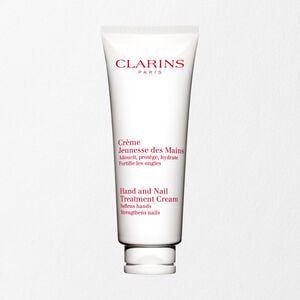

Hand Creams For Dry Skin
Hand creams for dry skin are designed to bring comfort to hands that feel tight, rough, flaky or sore, while leaving them feeling softer and more supple. Hands are exposed to frequent washing, cleansing products, cold water, indoor heating, friction and everyday tasks, so the skin can lose moisture and feel less comfortable than the rest of the body. A well-chosen hand cream helps replenish moisture and creates a comforting layer over the skin, making it a useful part of any beauty routine. Look for a texture that suits your needs and habits: a lightweight lotion can be pleasant during the day when you want hands to feel smooth without a heavy finish, while a rich cream may be more suitable for very dry areas that need concentrated nourishment. Ingredients such as glycerine, shea butter, plant oils, ceramides, hyaluronic acid and colloidal oatmeal are often selected for their moisturising or soothing properties. Glycerine helps attract moisture to the skin, while nourishing butters and oils can leave a soft, cushioned feel. Ceramides support the skin’s natural protective layer, and hyaluronic acid is valued for helping skin feel hydrated and comfortable. If your hands are particularly sensitive, a fragrance-free cream may be a thoughtful choice, especially when the skin feels cracked, stinging or irritated. Richly fragranced options can offer a sensorial experience, but a gentle, uncomplicated formula may feel more reassuring when the skin is fragile. For further inspiration across the beauty routine, explore Skin Care For Very Dry Skin.
The way hand cream is applied can make a noticeable difference to how comfortable hands feel. Smooth a small amount over the backs of the hands, palms, fingers, fingertips and around the nails, giving extra attention to areas that feel rough or tight. The backs of the hands often need particular care because they can become dry more easily, while the fingertips and cuticles may show signs of dehydration through peeling or a coarse texture. Apply cream following hand washing, when the skin is clean and slightly damp, to help seal in a comfortable feeling of moisture. A small amount reapplied throughout the day can be more practical than using a large quantity at once, particularly if you need to handle a phone, keyboard, paperwork or other items. For intensely dry hands, choose a richer layer and massage it slowly into the skin, allowing the cream to settle around the knuckles and between the fingers. A generous application as part of a bedtime ritual can give the formula time to surround the skin in nourishing comfort while you rest; soft cotton gloves can help keep the cream in place if hands feel especially rough. Avoid applying heavily perfumed products to areas that are split or sore, and stop using any formula that causes persistent discomfort. If dryness is severe, painful, swollen or does not improve with gentle care, seek advice from a qualified healthcare professional. Keeping a tube beside the sink, in a handbag, at a desk or near the bed makes hand care easier to remember and means comfort is close whenever hands begin to feel tight.
Hand creams can suit many different routines and make a considerate beauty gift for someone who enjoys practical, sensorial products. They are useful for people who wash their hands frequently, work with their hands, spend time outdoors, use cleansing products often or simply notice that their skin feels drier than usual. They can also be a lovely addition to a pampering gift set, paired with other hand and body care products, a soft towel or a beautifully presented washbag. When choosing a gift, consider whether the recipient prefers a quick-absorbing finish or a richer, more enveloping texture, as well as whether they enjoy a delicate fragrance or would prefer a fragrance-free option. A compact tube is convenient for a handbag or travel pouch, while a larger size can be placed beside a bathroom basin for regular use. Packaging and presentation may add to the pleasure of giving, but the formula itself should remain the main consideration: look for ingredients that support comfortable, moisturised skin and a texture that feels pleasant rather than sticky. For hands that feel rough around the knuckles, choose a cream with a nourishing consistency and massage it in with gentle circular movements. For skin that feels tight but not severely dry, a lighter lotion may provide the hydration you need without leaving a rich residue. With consistent application, hand cream can become a simple, soothing gesture that turns an everyday routine into a moment of care, leaving hands feeling smoother, softer and more comfortable.
The way hand cream is applied can make a noticeable difference to how comfortable hands feel. Smooth a small amount over the backs of the hands, palms, fingers, fingertips and around the nails, giving extra attention to areas that feel rough or tight. The backs of the hands often need particular care because they can become dry more easily, while the fingertips and cuticles may show signs of dehydration through peeling or a coarse texture. Apply cream following hand washing, when the skin is clean and slightly damp, to help seal in a comfortable feeling of moisture. A small amount reapplied throughout the day can be more practical than using a large quantity at once, particularly if you need to handle a phone, keyboard, paperwork or other items. For intensely dry hands, choose a richer layer and massage it slowly into the skin, allowing the cream to settle around the knuckles and between the fingers. A generous application as part of a bedtime ritual can give the formula time to surround the skin in nourishing comfort while you rest; soft cotton gloves can help keep the cream in place if hands feel especially rough. Avoid applying heavily perfumed products to areas that are split or sore, and stop using any formula that causes persistent discomfort. If dryness is severe, painful, swollen or does not improve with gentle care, seek advice from a qualified healthcare professional. Keeping a tube beside the sink, in a handbag, at a desk or near the bed makes hand care easier to remember and means comfort is close whenever hands begin to feel tight.
Hand creams can suit many different routines and make a considerate beauty gift for someone who enjoys practical, sensorial products. They are useful for people who wash their hands frequently, work with their hands, spend time outdoors, use cleansing products often or simply notice that their skin feels drier than usual. They can also be a lovely addition to a pampering gift set, paired with other hand and body care products, a soft towel or a beautifully presented washbag. When choosing a gift, consider whether the recipient prefers a quick-absorbing finish or a richer, more enveloping texture, as well as whether they enjoy a delicate fragrance or would prefer a fragrance-free option. A compact tube is convenient for a handbag or travel pouch, while a larger size can be placed beside a bathroom basin for regular use. Packaging and presentation may add to the pleasure of giving, but the formula itself should remain the main consideration: look for ingredients that support comfortable, moisturised skin and a texture that feels pleasant rather than sticky. For hands that feel rough around the knuckles, choose a cream with a nourishing consistency and massage it in with gentle circular movements. For skin that feels tight but not severely dry, a lighter lotion may provide the hydration you need without leaving a rich residue. With consistent application, hand cream can become a simple, soothing gesture that turns an everyday routine into a moment of care, leaving hands feeling smoother, softer and more comfortable.

