
Gentle Face Moisturiser
A gentle face moisturiser is an essential part of any skincare routine, especially for those with sensitive or easily irritated skin. This type of moisturiser is formulated with soothing ingredients that help to hydrate and nourish the skin without causing any irritation or redness.
![Hydra-Essentiel [HA²] Light Cream](https://www.clarins.co.uk/dw/image/v2/AAFS_PRD/on/demandware.static/-/Sites-clarins-master-products/default/dw36b8ce2c/original/80112669_original_original_1.jpg?sw=300&sh=300 "Hydra-Essentiel [HA²] Light Cream")
![Hydra-Essentiel [HA²] Emulsion](https://www.clarins.co.uk/dw/image/v2/AAFS_PRD/on/demandware.static/-/Sites-clarins-master-products/default/dwd68e9c13/original/80092160_original_original_1.jpg?sw=300&sh=300 "Hydra-Essentiel [HA²] Emulsion")


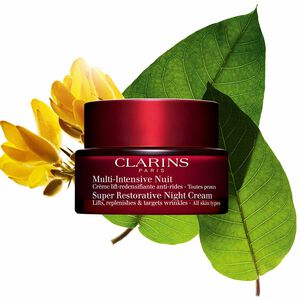


![Hydra-Essentiel [HA²] Rich Cream](https://www.clarins.co.uk/dw/image/v2/AAFS_PRD/on/demandware.static/-/Sites-clarins-master-products/default/dw9427355b/original/80092158_original_original_1.jpg?sw=300&sh=300 "Hydra-Essentiel [HA²] Rich Cream")
Gentle Face Moisturiser
A gentle face moisturiser is designed to hydrate facial skin and support a soft, comfortable feel without unnecessary heaviness. It can suit skin that feels tight, looks flaky or reacts easily to unsuitable skincare, but gentleness is not reserved for a single skin type. Dry, oily and combination complexions can all benefit from a moisturiser whose texture and ingredients match their needs. Hydration describes the water content of the skin, while emollient ingredients help soften its surface and ingredients with occlusive properties help limit moisture loss. A well-balanced moisturiser may bring these functions together, helping rough areas feel smoother and leaving skin more supple. For someone whose cheeks feel taut after washing, a cushioning cream may offer a more comfortable finish than a very light lotion. For someone with shine across the forehead and nose but dryness around the cheeks, a lighter texture may provide a more suitable balance. The aim is not necessarily a completely matte finish or a rich coating, but skin that feels moisturised without feeling overloaded. A gentle facial moisturiser should also be pleasant to spread: a smooth texture that glides across the face can make application easier without repeated rubbing. Skin described as sensitive deserves particular consideration, although sensitivity varies between individuals and no description can guarantee that a formula will suit everyone. Fragrance-free options may appeal to people who know that fragrance causes them discomfort, while others may place greater emphasis on a particular texture or ingredient preference. The full ingredient list and the stated suitability offer more useful detail than the word “gentle” alone. For this reason, choosing a moisturiser is as much about personal comfort as it is about the finish visible in the mirror. Softness, suppleness and a surface that does not feel sticky or tight are practical qualities to look for, whether the preferred texture is a fluid lotion, a silky gel-cream or a more substantial cream.
The ingredients in a gentle face moisturiser help explain how it feels and what it is intended to do. Humectants such as glycerin and hyaluronic acid attract water and help support hydration, making them useful components of both lightweight and richer textures. Emollients help smooth the feel of dry, uneven areas, while ceramides can support the skin’s moisture barrier as part of a suitable formulation. This barrier helps retain moisture, so supporting it is particularly relevant when skin feels dry or uncomfortable. Ingredients do not work in isolation, however: the balance of the complete formula matters, and a familiar ingredient name is not a guarantee of suitability. A cream containing several moisturising ingredients can feel surprisingly light, while a small amount of a richer texture may provide the cushioning that very dry skin prefers. Gel-creams often appeal to those who dislike a heavy finish, whereas soft creams and balms can feel more enveloping on dry cheeks. For oily skin, a light facial lotion may be more comfortable than a dense cream, although oily skin can also feel dehydrated. Shine does not necessarily mean that moisture is unnecessary. Combination skin brings its own considerations, particularly where the nose feels oily but the sides of the face feel tight. A texture that spreads easily allows the amount applied to reflect those differences, without requiring a thick layer across the whole face. Finish is another useful distinction. Some moisturisers leave a velvety surface, others a subtle sheen, and neither effect alone indicates how gentle the formula will be. Fragrance, texture and individual ingredient tolerances all deserve consideration together. Claims such as “dermatologically tested” describe testing rather than a promise that irritation cannot occur, and a short ingredient list is not automatically more suitable than a longer one. Skin that reacts easily may benefit from a straightforward selection based on known tolerances rather than an elaborate combination of formulas. Persistent redness, soreness or discomfort warrants advice from a pharmacist or an appropriate healthcare professional; a cosmetic moisturiser is intended to care for the skin, not replace treatment for a skin condition.
A gentle moisturiser also needs to fit comfortably with the rest of a facial skincare routine. Facial washing should leave skin feeling refreshed rather than stripped or taut, and pairing a suitable moisturiser with a gentle facial wash can help keep the focus on comfort. Product directions remain important, particularly for application around the eyes or on easily irritated areas. A facial cream is not automatically intended for the eyelids, and moisturiser should not be assumed to provide sun protection unless this is expressly stated on its label. Where a serum is part of the routine, compatible textures can make the combination more pleasant: a fluid serum beneath a supple cream may feel comfortable, while several rich layers can feel excessive. If skincare rolls into small flakes on the surface, the amount applied or the combination of textures may be worth reconsidering rather than assuming that more cream is needed. A modest layer spread with light pressure is often more comfortable than vigorous massage, especially where the cheeks already feel sensitive. Packaging also affects ease of use. A tube allows a small amount to be dispensed directly, a pump offers controlled dispensing, and a jar provides access to a thicker texture. Following the storage instructions and keeping the closure secure helps protect the contents, while dry hands or a suitable spatula can help avoid introducing water into a jar. For gifting, a gentle facial moisturiser can be a thoughtful choice for someone whose skincare preferences are already familiar, particularly when their preferred finish and fragrance requirements are known. Sensitivity is personal, so an appealing texture should not take precedence over an established intolerance. Whether selected for personal use or as a considered gift, the most suitable gentle face moisturiser is one that answers a clear need: comfortable hydration, a softer skin feel and a texture that sits well on the face. Those practical details give a moisturiser its place in a carefully chosen skincare collection.
The ingredients in a gentle face moisturiser help explain how it feels and what it is intended to do. Humectants such as glycerin and hyaluronic acid attract water and help support hydration, making them useful components of both lightweight and richer textures. Emollients help smooth the feel of dry, uneven areas, while ceramides can support the skin’s moisture barrier as part of a suitable formulation. This barrier helps retain moisture, so supporting it is particularly relevant when skin feels dry or uncomfortable. Ingredients do not work in isolation, however: the balance of the complete formula matters, and a familiar ingredient name is not a guarantee of suitability. A cream containing several moisturising ingredients can feel surprisingly light, while a small amount of a richer texture may provide the cushioning that very dry skin prefers. Gel-creams often appeal to those who dislike a heavy finish, whereas soft creams and balms can feel more enveloping on dry cheeks. For oily skin, a light facial lotion may be more comfortable than a dense cream, although oily skin can also feel dehydrated. Shine does not necessarily mean that moisture is unnecessary. Combination skin brings its own considerations, particularly where the nose feels oily but the sides of the face feel tight. A texture that spreads easily allows the amount applied to reflect those differences, without requiring a thick layer across the whole face. Finish is another useful distinction. Some moisturisers leave a velvety surface, others a subtle sheen, and neither effect alone indicates how gentle the formula will be. Fragrance, texture and individual ingredient tolerances all deserve consideration together. Claims such as “dermatologically tested” describe testing rather than a promise that irritation cannot occur, and a short ingredient list is not automatically more suitable than a longer one. Skin that reacts easily may benefit from a straightforward selection based on known tolerances rather than an elaborate combination of formulas. Persistent redness, soreness or discomfort warrants advice from a pharmacist or an appropriate healthcare professional; a cosmetic moisturiser is intended to care for the skin, not replace treatment for a skin condition.
A gentle moisturiser also needs to fit comfortably with the rest of a facial skincare routine. Facial washing should leave skin feeling refreshed rather than stripped or taut, and pairing a suitable moisturiser with a gentle facial wash can help keep the focus on comfort. Product directions remain important, particularly for application around the eyes or on easily irritated areas. A facial cream is not automatically intended for the eyelids, and moisturiser should not be assumed to provide sun protection unless this is expressly stated on its label. Where a serum is part of the routine, compatible textures can make the combination more pleasant: a fluid serum beneath a supple cream may feel comfortable, while several rich layers can feel excessive. If skincare rolls into small flakes on the surface, the amount applied or the combination of textures may be worth reconsidering rather than assuming that more cream is needed. A modest layer spread with light pressure is often more comfortable than vigorous massage, especially where the cheeks already feel sensitive. Packaging also affects ease of use. A tube allows a small amount to be dispensed directly, a pump offers controlled dispensing, and a jar provides access to a thicker texture. Following the storage instructions and keeping the closure secure helps protect the contents, while dry hands or a suitable spatula can help avoid introducing water into a jar. For gifting, a gentle facial moisturiser can be a thoughtful choice for someone whose skincare preferences are already familiar, particularly when their preferred finish and fragrance requirements are known. Sensitivity is personal, so an appealing texture should not take precedence over an established intolerance. Whether selected for personal use or as a considered gift, the most suitable gentle face moisturiser is one that answers a clear need: comfortable hydration, a softer skin feel and a texture that sits well on the face. Those practical details give a moisturiser its place in a carefully chosen skincare collection.

