
Foundations For Spring Makeup Routines
Foundations for spring makeup routines bring a fresh, radiant touch to your beauty look, helping to create a flawless canvas. As the season inspires lighter textures and glowing complexions, choosing the right foundation can enhance your natural beauty while complementing changing weather. Explore versatile options that blend seamlessly, offering a smooth finish that feels comfortable throughout the day. Foundations for spring makeup routines are designed to support an effortless, luminous appearance, making it easy to achieve a polished look with every application.




Foundations For Spring Makeup Routines
Foundations for spring makeup routines create a considered base for soft colour, delicate definition and a complexion that still looks like skin. The appeal lies in balance: enough coverage to bring the face together, with a texture and finish that feel comfortable rather than heavily made up. Sheer, light and medium coverage each offer a different expression of that balance, from a veil that lets freckles show through to a more even canvas for peach blusher and softly defined eyes. Liquid foundations can range from fluid, easily spread textures to richer consistencies with a more cushioned feel, while cream and powder formats offer their own distinctive application and finish. Texture alone does not determine coverage, so the combination of pigment, blendability and finish matters more than whether a foundation comes in a bottle, compact or tube. For skin that feels dry or tight, a moisturising foundation with a supple finish may feel more comfortable; for skin prone to shine, a soft matte finish can give a more velvety appearance. Combination skin may suit a balanced satin finish that avoids making drier cheeks look flat or adding excessive sheen across the forehead and nose. Shade is just as important as texture. A close match should sit comfortably alongside the colour of the neck, with undertones that complement rather than compete with the complexion. Pink, golden, peach, olive and neutral undertones can all influence how a shade appears, even when its depth seems right. Foundation is intended to even the appearance of the complexion, rather than create an obvious contrast between face and neck. A shade that blends discreetly around the jaw gives blusher, bronzer and lip colour a more harmonious setting. For anyone drawn to a spring makeup palette of rose, apricot or soft coral, that seamless base helps each colour feel connected to the whole look rather than sitting apart from it.
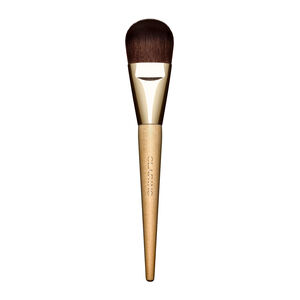
The difference between a barely there base and a more polished complexion often comes down to how foundation sits on the skin, not simply how much is applied. A finely blended layer can soften the look of uneven tone without hiding the detail that makes a face individual. Buildable coverage is particularly useful when cheeks need very little product but the area around the nose benefits from more. It allows coverage to be varied across the face rather than making every area equally opaque. For a spring wedding guest look, a satin base can complement petal pink blusher, a subtle sheen on the cheekbones and softly shaded eyelids. For a less dressed-up combination of brushed brows, mascara and a tinted lip, a sheer foundation can provide just enough coverage to make the makeup feel complete. Fuller coverage also has a place within spring makeup, especially for those who prefer a more uniform canvas beneath expressive eye or lip colour. Its character depends on the finish: velvety matte reads differently from luminous satin, even at a similar level of coverage. A flexible texture can help the base look comfortable around expressive areas such as the mouth, while a smooth blend at the hairline and jaw keeps the overall effect cohesive. Tools influence that finish too. A dense brush can offer controlled placement, a softer brush can diffuse edges, and a lightly dampened makeup sponge can press foundation into a more delicate veil. Powder foundation has a different appeal, combining pigment with a soft, buffed finish that can suit a preference for less sheen. Finely milled textures can help create a smooth appearance, particularly around the nose and across the cheeks. Setting powder can refine selected areas without taking the glow away from the entire face. The result need not be uniformly matte or uniformly luminous; a little contrast between a velvety centre and softly highlighted cheekbones can give a spring makeup look dimension.
A foundation’s suitability also rests on how it behaves alongside the rest of the makeup. Cream blusher and cream bronzer can sit beautifully with a supple base, while powder cheek colour can bring a softly diffused effect to a more velvety finish. The aim is a coherent mix of textures rather than a rigid rule about matching every product. A luminous foundation paired with reflective highlighter can look quite different from the same foundation paired with softly matte cheeks and lips. For a complexion prone to visible shine, targeted powder may be preferable to taking radiance away from the whole face. Where visible texture is a concern, a soft satin finish offers a middle ground between flat matte coverage and a strongly reflective base. Comfort matters as much as appearance: foundations that feel flexible, spread evenly and do not feel heavy are appealing for both minimal makeup and more detailed looks. Resistance to transfer may also matter where makeup comes into contact with a collar or scarf, while packaging with a secure closure can be useful in a makeup bag. A compact format may appeal to someone who values a mirror and a contained application, whereas a pump can help dispense a measured amount of liquid foundation. These practical details make the choice personal, alongside shade, coverage and finish. Foundation can also be a thoughtful beauty gift when the recipient’s preferred shade and texture are known, particularly for someone who enjoys coordinating their base with different cheek and lip colours. A different approach to coverage and finish can be found in Foundations For Winter Makeup Looks. Within a spring routine, a well-chosen foundation supports the wearer’s own style, whether that means visible freckles, softly balanced colour or a smooth backdrop for a brighter lip. It brings the different elements of the makeup together without making the base the only thing that is noticed.
