
Face Creams For New Skin
Discover a luxurious collection designed to help you reveal fresh, radiant skin. Face creams for new skin offer nourishing hydration and comfort, supporting your complexion’s glow. Whether you’re seeking a dewy finish or a silky-smooth texture, these creams are formulated to leave your skin feeling soft and revitalised. Embrace the confidence that comes with a luminous, healthy-looking complexion every day.
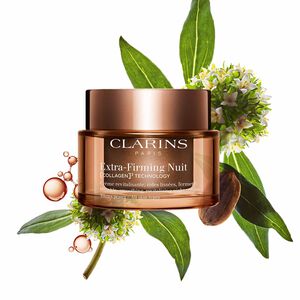
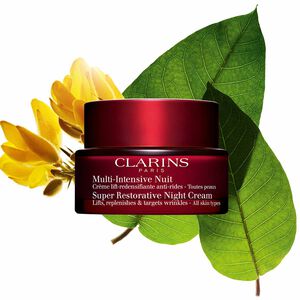


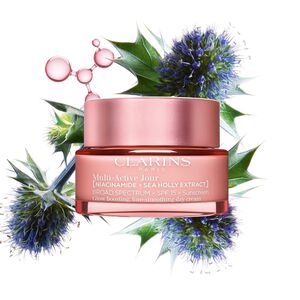
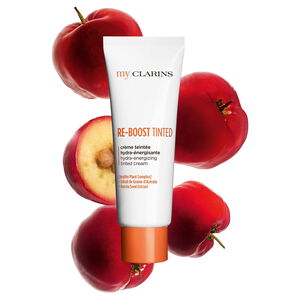


Face Creams for New Skin
Face creams for new skin focus on a fresh-looking complexion: skin that feels comfortable, looks smoother and has a soft, supple finish. Moisture is central to that appearance. A well-matched face cream helps hydrate the skin’s surface and supports its protective barrier, making it a useful choice for complexions that feel tight, look dull or have a rough, uneven texture. The right fit depends as much on how a cream feels as on the ingredients it contains. Dry skin may suit a rich, enveloping texture that cushions the cheeks without requiring excessive rubbing, while combination skin may prefer a lighter cream that feels comfortable across both drier and shinier areas. For oily skin, a fluid cream or gel-cream can offer hydration with a less weighty finish. Skin that is prone to sensitivity calls for particular attention to suitability statements and fragrance, rather than an assumption that a thicker texture will be gentler. Personal preference matters, too: some people enjoy the softness of a velvety cream, while others favour a barely noticeable layer that leaves skin feeling smooth to the touch. These differences make face creams a varied category rather than a single solution for every complexion. A fresh appearance does not require a tingling sensation, a highly perfumed texture or an especially elaborate skincare routine. Comfort, appropriate hydration and a finish that suits the skin are more useful measures. Someone whose cheeks feel stretched after washing may value a cream with a cushioned finish; someone with shine across the forehead may want moisture without a heavy coating. Face creams can address these preferences through different combinations of water-binding ingredients, softening agents and moisture-retaining components. The result to look for is skin that feels cared for, rather than overloaded, with a texture and level of richness that match its individual needs.
Ingredients help explain what different face creams are designed to offer. Hyaluronic acid and glycerin are humectants, meaning they attract and hold water within the skin’s outer layers. In a moisturising cream, they can help improve the appearance of dehydration lines and give the surface a plumper, smoother look. Ceramides are lipids found in the skin’s protective barrier; creams containing them can help support that barrier and limit moisture loss. Emollients soften rough-feeling areas and give a formula its slip, helping it spread comfortably rather than drag across the face. Richer ingredients, such as shea butter, can contribute to a more cocooning feel, particularly where the cheeks are dry or flaky. A cream’s overall composition matters more than the presence of one celebrated ingredient, however. Two formulas containing hyaluronic acid may feel very different because of their balance of water, oils and other components. Niacinamide is another ingredient associated with barrier support and a more even-looking complexion, while panthenol is often included for hydration and comfort. Suitability still depends on the complete formula and the individual using it. Fragrance-free options may appeal to people who prefer skincare without scent, especially if fragranced products have caused discomfort. Creams featuring exfoliating acids have a different purpose from straightforward moisturisers: they are intended to address surface texture and may not suit skin that already feels tender or irritated. A fresh-looking finish should not be confused with scrubbing away roughness or choosing the strongest-feeling formula. For skin that is uncomfortable, a focus on gentle hydration may be more appropriate than adding several active ingredients together. Product descriptions and ingredient lists offer useful distinctions between a cream intended primarily for moisture, one designed for a richer protective feel and one formulated to refine the look of texture. These details help make sense of the category without treating every face cream as interchangeable. They also set realistic expectations: hydration can improve softness and surface appearance, but a cosmetic cream does not replace the skin or provide treatment for an underlying skin condition.
Texture, packaging and intended use bring those ingredient details into everyday preferences. A cream should spread easily in the quantity specified on its label and leave a finish that feels pleasant rather than sticky or restrictive. For someone with dry cheeks but a comfortable forehead, that may mean choosing a medium-weight texture rather than an exceptionally rich balm-like cream. For someone who dislikes the sensation of product on their face, a light gel-cream may be the more appealing choice. Face creams can complement facial serums, but multiple layers are not essential to a satisfying skincare routine, and richer is not automatically more suitable. If several formulas leave the skin feeling coated, a simpler combination may offer a better fit. Directions also matter around the eyes and neck, as not every facial cream is intended for those areas. Packaging can influence ease of use: a tube offers controlled dispensing, a pump can make measuring an amount straightforward, and a jar provides easy access to a denser texture. Keeping the closure secure, following storage directions and using dry hands or the supplied applicator helps protect the contents from unnecessary contact with water. Texture and scent preferences deserve equal consideration when choosing a face cream as a gift. Someone who enjoys plush, comforting skincare may appreciate a richer consistency, whereas a recipient with very particular sensitivities is better suited to a formula whose suitability is already established for them. An unfamiliar active-rich cream is a less personal match than a moisturiser chosen around known preferences. For a broader view of related facial hydration textures, Moisturisers for New Skin offers a complementary category to explore. Whether the priority is softening dry-feeling patches, adding light hydration or achieving a smoother-looking finish, the most useful distinctions remain clear: skin type, formula suitability, texture and comfort. Together, they make it easier to choose a face cream that feels at home in a personal skincare routine and supports a fresh, supple-looking complexion.

