
Dewy Foundation For Mature Skin
Achieve a radiant, luminous complexion with dewy foundation options designed for mature skin. These formulas offer a smooth, hydrated finish that enhances your natural glow while providing comfortable coverage. Perfect for those seeking a fresh, youthful appearance, dewy foundations help to create an even tone and a beautifully soft look. Discover the ideal match to complement your unique skin needs and enjoy a flawless, glowing result every day.


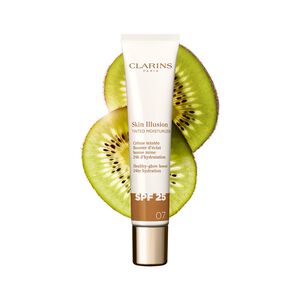


Dewy Foundation for Mature Skin
A dewy foundation for mature skin can bring a fresh, softly radiant look to the complexion while allowing natural skin texture to remain part of the finish. Rather than appearing flat or overly powdered, a luminous base catches the light gently across the cheeks, forehead and bridge of the nose, creating the impression of comfortable, well-balanced makeup. The most appealing formulas tend to be fluid, serum-like or light cream textures that spread easily and move with facial expressions, rather than settling heavily into lines or areas of dryness. When browsing this collection, consider the level of coverage you enjoy: sheer coverage can softly even the appearance of the complexion while allowing freckles and natural character to show through; light-to-medium coverage offers a little more refinement without looking mask-like; and buildable formulas allow extra coverage around the nose, chin or areas of uneven tone. A dewy finish does not have to mean a visibly wet or glossy appearance. Look for descriptions such as radiant, luminous, satin-glow or natural finish to find a base that gives skin a gentle sheen without excessive shine. For a wider selection of radiant complexion makeup, explore Foundations For Dewy Skin, where different textures and coverage levels can be compared to suit individual preferences.
Comfort is often central when choosing foundation for mature skin, particularly when the complexion feels drier across the cheeks or looks less even as the day goes on. Ingredients such as glycerin, hyaluronic acid and niacinamide are commonly included in modern foundation formulas to help create a smoother, more supple-feeling application, while light-reflecting pigments can lend the appearance of soft luminosity. These ingredients do not replace a dedicated skincare routine, but they can make makeup feel more comfortable and help the finish look fresh rather than tight. Before applying, make sure the complexion feels comfortably moisturised, then allow any facial products underneath to settle before reaching for foundation. A small amount applied with fingertips can warm the texture and create a skin-like veil; a damp sponge can diffuse the edges for a seamless finish; and a softly rounded brush can provide more even coverage while keeping the result polished. Begin at the centre of the face, where redness and uneven tone are often more noticeable, then blend towards the hairline and jaw. Using thin layers is usually more flattering than applying a generous amount in one pass. If extra coverage is needed, press a little more foundation only where desired instead of adding another full layer everywhere. During warmer weather, a lighter application can feel comfortable and keep the glow looking fresh, while in cooler conditions a fluid, hydrating texture can help prevent the complexion from appearing dull or powdery.
Shade selection deserves the same care as texture. Test a small amount along the jawline rather than the hand, as the face and neck may have different tones, and check the result in natural daylight where possible. A well-matched shade should blend into the skin without leaving a visible line beneath the chin. If the complexion sits between two shades, a flexible, sheer-to-medium formula may offer a more forgiving finish, while mixing two complementary shades can help create a closer match when skin tone varies across the face. Undertone is important too: foundations with warm, cool or neutral nuances can change the overall appearance, even when the depth looks right. For an understated, softly lit finish, place most of the product where it is needed and leave the outer areas lightly covered. Cream blush or liquid highlighter can be pressed gently over the top to maintain the dewy effect, while a small amount of finely milled powder can be used only around the sides of the nose, under the eyes or across the centre of the forehead if shine becomes distracting. This approach works beautifully for everyday makeup, polished occasions and thoughtful gifts for someone who enjoys complexion products with a comfortable, radiant finish. It is also a useful choice for anyone who prefers makeup that looks like skin in close conversation, under indoor lighting and during the changing conditions that come with warmer days and cooler months.

