
Daywear Lipsticks
Daywear lipsticks offer the perfect touch for enhancing your natural beauty throughout the day. With a variety shades and finishes to suit every mood and occasion, these lipsticks are designed to complement any daytime look. Whether you prefer a subtle hint or a more defined appearance, daywear lipsticks provide a polished finish that keeps you feeling confident and radiant from morning onwards.
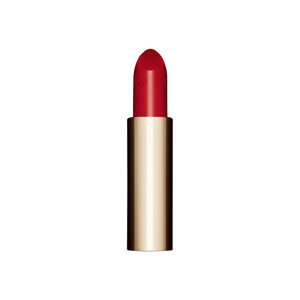
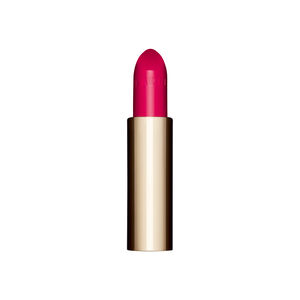

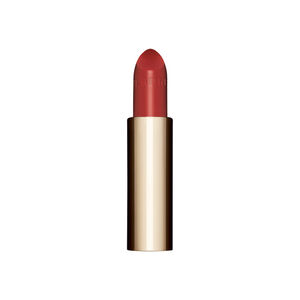


Daywear Lipsticks
Daywear lipsticks bring together wearable colour, a comfortable feel and finishes that suit understated or polished makeup. Their appeal lies in balance: enough pigment to define the lips, with a texture that feels appropriate for an office meeting, a coffee with friends or a relaxed celebration. The category includes sheer, satin, creamy and matte finishes, each offering a different relationship between colour, texture and shine. Sheer lipstick allows some of the lip’s own colour to show through, creating a softer result with less contrast around the edges. Satin sits between matte and glossy, lending lips a gentle sheen without a pronounced reflective effect. Creamy textures offer a smooth glide and a cushioned sensation, while matte finishes give colour a velvety appearance with little shine. Daywear does not necessarily mean pale or barely visible: a softly applied red, a muted raspberry or a warm rose can feel just as approachable as beige or pink. The distinction is often in the coverage and how the shade works with the rest of the makeup. A translucent berry paired with lightly defined lashes has a different effect from an opaque berry with a sharply drawn outline. For shoppers comparing Day Lipsticks, useful points of difference include pigment intensity, ease of application, finish and resistance to transfer. Daywear and long-wear lipstick are not interchangeable descriptions: the former suggests a wearable makeup style, while the latter refers to a formula’s intended staying power. A lipstick can offer both, but a comfortable satin should not automatically be expected to behave like a transfer-resistant matte. The most suitable choice depends on whether the priority is a soft wash of colour, a more defined lip shape or a finish that is less likely to leave marks on cups. That distinction makes room for personal preference rather than treating one texture as the answer for everyone.
Shade choice is closely connected to the colour of the lips themselves, the undertone of the complexion and the level of contrast that feels appealing. A lipstick described as nude is not a single universal shade; it may be pink-beige, peach, caramel, rosewood or a deeper cocoa tone. Against richly pigmented lips, a very pale beige can look noticeably opaque, whereas a rose-brown or muted plum may give a more blended effect. On lighter lips, a sheer pink can provide definition without creating a strong outline. Cooler complexions often sit comfortably alongside blue-based pinks, mauves and raspberry shades, while peach, terracotta and warm rose can complement golden undertones. These are useful reference points rather than fixed rules: the colour of clothing, blush and eye makeup also changes how a lipstick reads. A muted rose can soften the look of a charcoal jacket, while a clear red can provide a focal point against a simple blouse and minimal eye makeup. For someone who prefers a discreet lip, a shade close to their own lip colour can make the shape appear more defined without a dramatic contrast. Those who enjoy a stronger look may favour a richer hue in a sheer finish, combining visible colour with a lighter visual effect. Coverage matters as much as the shade name. A fine layer of a creamy lipstick can look softly diffused, while a fuller application of the same colour may appear more structured. The shape of the applicator contributes to that result, too. A tapered bullet can help trace the curve of the upper lip, while a narrower applicator may make it easier to reach the corners accurately. A matching lip liner can add precision or support a defined outline; a lipstick worn without liner can feel less formal. Neither approach needs an elaborate makeup look to work. The appeal of daywear lipstick is its flexibility, allowing the lip colour to complement lightly applied foundation, a touch of blush or a more expressive eye look without competing for attention.
Texture and formula deserve as much consideration as colour, particularly for anyone sensitive to a heavy, sticky or dry sensation on the lips. Lipsticks commonly combine pigments with waxes and oils: pigments supply colour, waxes help give the lipstick structure, and oils contribute slip and softness. The proportions and additional ingredients influence how a formula spreads, how much shine it creates and how firmly the colour adheres. Some formulas include emollient ingredients for a more supple feel, while others place greater emphasis on wear resistance. A matte finish is not automatically uncomfortable, just as a glossy appearance does not guarantee a moisturising effect; the individual formula and the condition of the lips both matter. On lips with uneven texture, a flexible satin or sheer finish may look more forgiving than a dense, flat layer of pigment. Applying less product at the inner edge can also make the colour feel less noticeable against the mouth. For wear around food and drinks, transfer-resistant formulas may help limit marks, although friction and oils can still disturb the finish. Strong wear claims should be assessed alongside comfort and ease of removal, rather than colour intensity alone. Packaging offers another practical distinction: a secure lid and a casing that is comfortable to hold are useful for a makeup bag, while a clearly identifiable shade can make a personal collection easier to navigate. Keeping the cap closed and avoiding excessive heat helps protect the lipstick’s texture and shape; a bullet is also less likely to bend or break when only a small section is exposed for application. As a gift, lipstick can feel personal without requiring an exact complexion match in the way foundation does. A familiar shade family and the recipient’s preferred finish are thoughtful starting points, whether the choice is a sheer rose for someone who enjoys subtle makeup or a satin red for someone drawn to a defined lip. Ultimately, an appealing daywear lipstick combines a flattering shade, a manageable format and a finish that feels as good to wear as it looks.
