
Daily Cream
Daily cream is an essential part of many people's skincare routines. It is a moisturising product that is applied to the face and neck on a daily basis to keep the skin hydrated and healthy. Daily cream typically contains ingredients such as hyaluronic acid, glycerin, and ceramides, which help to lock in moisture and prevent dryness.


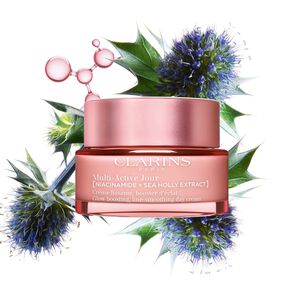
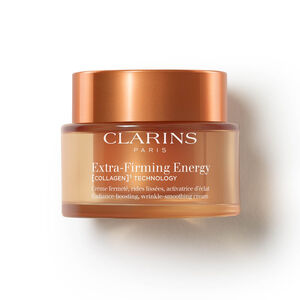

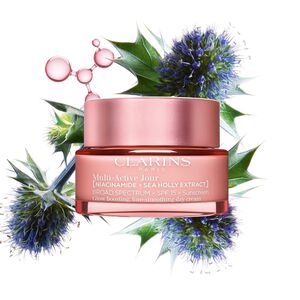


Daily Cream
A daily cream is a facial moisturiser designed to hydrate the skin and leave it feeling softer and more comfortable. Some daily face creams have a light, almost lotion-like consistency, while richer creams feel more cushioned and leave a more noticeable layer on the skin. A gel cream often spreads with very little rubbing, which can appeal if a thicker texture feels heavy across the forehead or nose. For dry skin that feels tight after washing, a cream with more body can make rough areas feel softer, particularly around the cheeks and jaw. With combination skin, the difference can be obvious: a texture that feels lovely on the cheeks may leave more sheen than wanted across the nose. A light cream spread evenly, with a little extra where the face feels dry, can suit both areas without coating them equally. Oily skin can feel tight as well as look shiny, so a moisturiser that spreads easily and leaves little residue may be more comfortable than skipping cream altogether. For skin that feels neither particularly dry nor oily, the choice can come down to whether a barely there finish or a softer, more supple feel is preferable. The finish and the feel are worth considering separately. A slight sheen does not always mean a cream feels greasy, just as a matt finish does not have to feel dry. The ingredient list gives a different set of clues. Glycerine and hyaluronic acid help attract and hold water in the skin’s outer layer, while emollients such as squalane and shea butter help soften the surface and give a cream some slip. The whole formulation matters more than any one ingredient: two creams containing glycerine can feel quite different, with one spreading like a light lotion and the other leaving the cheeks with a soft, velvety feel.
The way a daily cream fits alongside other facial skincare can matter as much as the texture in the jar. A fluid cream may sit comfortably over a hydrating serum without making the skin feel sticky, while a richer cream might be enough on its own for someone who likes a simple routine. If a moisturiser tends to roll into little flakes as another layer goes on, the amount applied and the combination of textures are both worth considering. A rich cream is not always needed all over the face, either: somebody with dry patches beside the nose may prefer a little more cream there without adding more to an already comfortable forehead. Browse Refreshing Cream for Daily Hydration. For sensitive skin, a fragrance-free cream can be a useful choice if fragranced skincare tends to cause discomfort, although fragrance-free does not guarantee that a formula will suit everyone. Familiar ingredients and a texture that spreads without much rubbing may be welcome, especially on areas that feel easily irritated. Sun protection is a separate consideration from hydration. A daily cream with SPF combines moisturising care with a labelled level of sun protection; a moisturiser without SPF can be worn beneath a separate broad-spectrum facial sunscreen. The instructions on the packaging matter, particularly the amount to apply for the stated protection. Some face creams also contain antioxidants such as vitamin E, but the presence of an antioxidant does not indicate that a cream offers UV protection. A moisturiser can feel substantial, leave a visible sheen and still contain no SPF, so the label is a better indication than the way the cream looks or feels.
Packaging also makes a difference to how comfortably a facial cream fits into a skincare routine. A pump can dispense a consistent amount without requiring fingers to touch the rest of the cream, while a squeezable tube can make it easy to put a small dab exactly where it is wanted. A jar suits a thick texture that would be difficult to dispense through a narrow opening, and it makes it easy to see how much is being scooped out. The closure is worth noticing, too: a lid that is easy to grip can make a jar more convenient to handle, while a cap that fastens securely is useful if the cream is carried in a wash bag. Closing the pack properly and keeping water out of the opening helps keep the contents in good condition. With a jar, dry hands or a washed, dry spatula are useful for lifting out the cream. Follow the storage directions on the packaging, and set the cream aside if its scent, colour or consistency changes noticeably rather than trying to stir a separated formula back together. As a gift, daily face cream is most personal when it reflects how the recipient likes skincare to feel. Someone who dislikes a film on the nose may appreciate a light cream with little residue, while someone whose cheeks often feel tight may welcome a fuller texture that leaves them feeling supple. If a recipient has sensitive skin or tends to stick with familiar formulas, known preferences around fragrance and ingredients are more helpful than guessing from the packaging. The same details matter when choosing a cream for personal use: how easily it spreads beside the nose, how comfortable it feels along the jaw and how much sheen it leaves across the forehead. A daily moisturiser earns its place in a routine by feeling comfortable on the areas that need it and fitting easily alongside the rest of the skincare already in use.
