
Creamy Lipsticks For Winter Dryness
Embrace sumptuous colour and comfort with creamy lipsticks designed to help keep lips looking and feeling soft during the colder months. These luxurious formulas glide on smoothly, delivering a rich, hydrating finish that’s perfect for combating dryness. Whether you prefer subtle nudes or bold shades, discover options that offer both moisture and vibrant colour in one swipe. Achieve a beautifully polished look while enjoying a touchable, cushiony feel all season long.
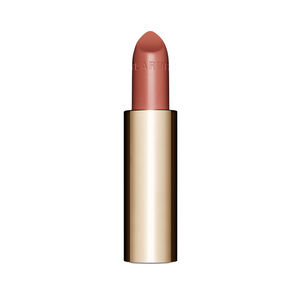


Creamy Lipsticks for Winter Dryness
Creamy lipsticks for dry lips bring together flattering colour, a supple feel and a finish that does not emphasise every patch of uneven texture. In cold weather, when lips can feel tight and lipstick may catch rather than glide, the texture of the formula matters as much as the shade. A creamy lipstick typically combines pigments with oils, waxes and emollients to create a smooth application and a comfortable layer of colour. The balance between these ingredients affects how readily the lipstick spreads, how much coverage it gives and whether the result looks softly polished or richly glossy. Waxes help give a lipstick its shape and structure, while oils and butters can add slip and soften the feel of the formula against the lips. Shea butter, squalane and plant oils are examples of ingredients that may feature in emollient-rich lip colour; hyaluronic acid may also appear in formulas designed with hydration in mind. An ingredient name alone does not establish how moisturising a lipstick will feel, however: the complete formula, its texture and the condition of the lips all play a part. For lips affected by dryness, a satin or cream finish can be a particularly appealing alternative to a very flat, powdery-looking matte. Its gentle reflection gives colour dimension without necessarily creating a high-shine effect. This is especially useful when a pale lipstick looks chalky against a flaky patch, or a strongly pigmented shade feels too rigid across the lip surface. Creamy colour offers a softer-looking option, although it cannot treat sore or cracked lips. The appeal is makeup that feels pleasant to apply and sits comfortably, rather than a heavy layer intended to hide discomfort. These textures suit anyone who enjoys visible lip colour but dislikes a tight sensation, including those who prefer understated makeup and those who favour a more expressive red, rose or berry lip.
The finish and depth of colour help distinguish one creamy lipstick style from another. A sheer cream allows some of the lip’s own colour to show through, giving a subtle result that can look slightly different on each person. Medium coverage provides more definition without making the mouth look heavily painted, while fuller coverage creates a bolder focal point. On dry lips, opacity is not the only consideration: a dense pigment can still feel supple, and a sheer shade can still feel uncomfortable if the texture lacks enough slip. A satin finish offers a gentle gleam, whereas a glossy cream reflects more light and gives the impression of a fuller lip surface. Neither finish requires a dramatic shade to make an impression. Muted rose, pink-beige and soft peach can complement softly defined eyes and a lightly flushed cheek, while raspberry, plum and cherry tones give greater contrast. Undertone is useful here, too. A pink with a blue undertone often looks crisp against cooler colouring, while peach, terracotta and orange-red can harmonise with warmer colouring. These are starting points rather than rules; the preferred effect matters more than matching a fixed category. Someone drawn to a barely-there lip might favour a shade close to their own lip colour, with enough depth to keep the mouth defined. Someone wearing a charcoal coat and a simple knitted scarf might enjoy the vivid contrast of a creamy red. Very pale, opaque shades can make uneven texture more noticeable, so a slightly richer beige or rose may offer a more forgiving result. Fine shimmer brings another consideration, as a pearly reflection can highlight texture differently from a smooth satin sheen. The feel should remain part of the choice: colour that moves comfortably with a smile is more appealing than an impressive swatch that feels stiff on the lips. For a closely related selection, Nourishing Creamy Lipsticks For Dry Lips brings the focus to creamy colour with comfort in mind.
Application, coverage and the lipstick’s format also shape the experience of wearing creamy colour on lips prone to dryness. A smooth glide with light pressure is generally more comfortable than a texture that needs repeated dragging to release its pigment. A rounded bullet makes broad application straightforward, while a more pointed shape helps trace the cupid’s bow and reach the corners with greater precision. A lip brush offers another way to place a rich shade neatly, particularly where the outline needs a little extra definition. Rather than relying on a thick coating, a modest amount of creamy lipstick can give an even-looking finish without collecting as readily in creases. A matching lip pencil can add structure around a softer formula, especially with deeper reds and berries, though a crisp border is a matter of preference rather than a requirement. A gently blurred edge can be equally flattering with rose or muted plum. Creamier textures may transfer onto a cup or move with friction, so a supple feel should not be confused with a transfer-proof finish. A light blot can soften excess shine, but it also changes the appearance and feel of the colour; someone who loves a cushiony gloss may prefer to leave that reflective layer intact. If the surface of the lips is tender or split, extra pigment and pressure are unlikely to improve comfort. Packaging deserves attention as well: a secure cap helps protect the lipstick in a handbag, and a twist mechanism that feels easy to handle makes precise application less fiddly. Excessive heat can soften a bullet and alter its shape, so a cool storage place helps preserve its texture. As a gift, creamy lipstick suits a makeup lover who values tactile pleasure as much as colour. A familiar shade family is often a thoughtful choice, whether that means a flattering rose for a mum who likes subtle definition or a saturated berry for someone whose signature look centres on expressive lips. The most satisfying choice brings together a shade they enjoy, a finish that suits their makeup and a texture that feels comfortable rather than demanding.

