
Cream For Crepey Skin
As we age, our skin naturally loses its elasticity and firmness, leading to the development of crepey skin. This thin, wrinkled appearance can be a source of frustration for many individuals looking to maintain a youthful complexion.

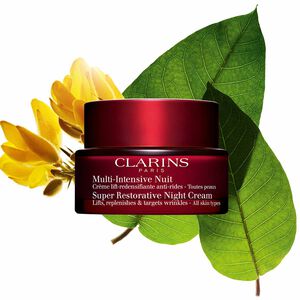
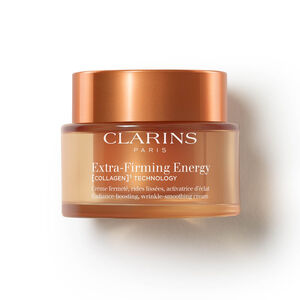


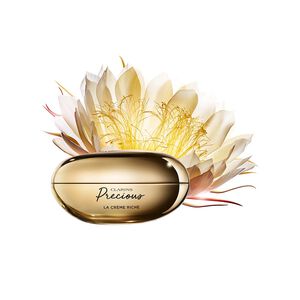


Cream For Crepey Skin
Cream for crepey skin brings together cushioning textures and moisturising ingredients for skin with a fine, crinkled appearance. This delicate, tissue-like texture can be noticeable on the neck, décolleté, upper arms and other areas of the body, as well as on the face. It may sit alongside dryness, a feeling of tightness or a loss of suppleness, although these concerns are not identical. A well-suited moisturiser helps soften the surface and improve the appearance of fine lines associated with dehydration, giving skin a smoother, more comfortable feel. The appeal is as much about touch as appearance: skin that feels rough beneath a sleeve or looks finely folded across the neckline can benefit from a formula with enough richness to cushion without leaving an unwelcome coating. Facial creams tend to suit the contours and sensitivities of the face, while body creams offer textures designed to spread across larger areas. Neck and décolleté care can be a useful option where comfort and a supple-looking finish are particular priorities. The intended area of use matters more than how rich a cream appears in the jar; a substantial body butter is not automatically suitable for the face or the delicate eye contour. For some, the preferred finish is soft and velvety, with little noticeable residue. For others, a richer balm-like feel provides welcome comfort on dry patches. Neither preference requires skin to look completely uniform. Fine folds and variations in texture are part of how skin looks, and moisturising care is about supporting its appearance and feel rather than promising to erase every line. The most useful choice reflects the area being cared for, the degree of dryness and the texture that feels pleasant against the skin. Creams described as smoothing, nourishing or firming may address different aspects of the same concern, so their stated benefits and application areas provide more useful distinctions than richness alone.
The ingredients within a cream help explain these differences. Humectants such as glycerine and hyaluronic acid attract moisture, helping the skin’s surface look plumper and feel less tight. Emollients, including squalane and shea butter, soften roughness and give a formula its glide, while ingredients such as ceramides can help support the skin’s moisture barrier. A balanced formula may combine these functions rather than relying on a single headline ingredient. This is particularly relevant where a crepey appearance is accompanied by flaking or an uncomfortable, papery feel: hydration and a cushioning texture can be equally important. Peptides are another ingredient category found in creams intended to improve the appearance of firmness, although the benefits depend on the complete formulation rather than the ingredient name alone. Texture offers useful clues to how a cream might fit personal preferences. A fluid lotion spreads easily across the arms and legs, while a dense cream allows a more cushioned application to areas that feel especially dry. A silky emulsion may appeal for the neck, where a heavy coating can feel noticeable against a collar or necklace. Richness, however, is not a measure of suitability for every skin type. Skin that feels tight but dislikes heavy textures may prefer a lighter cream with moisture-binding ingredients. Sensitive skin may be more comfortable with a fragrance-free option, particularly if perfumed body care tends to cause discomfort. Fragrance-free does not guarantee that a formula will suit everyone, so the full ingredient list and any suitability information remain important. Exfoliating ingredients require a different consideration: a strong tingling sensation is not evidence that a cream is working, and delicate-feeling skin does not need an abrasive texture to feel smoother. Product directions and a patch test help establish whether a formula feels comfortable, without treating irritation as an expected part of skincare. Comfort should remain central to the choice, alongside the desired finish and the benefits described for the formula.
How a cream sits on the skin is also part of its appeal. A texture that spreads with minimal pulling is especially useful across the neck and décolleté, where vigorous rubbing can feel uncomfortable. Gentle, even application allows a cream to cover fine contours without requiring forceful massage. Massage can make application feel pleasurable, but it should not be confused with a promise to reshape the skin. For the body, good slip helps a cream distribute across the upper arms, thighs or abdomen without repeated tugging. The finish matters here too: a soft, settled feel may be preferable beneath fitted clothing, whereas a more enveloping texture can suit someone who enjoys the sensation of a substantial body cream. Packaging offers another practical distinction. A pump or tube makes controlled dispensing straightforward, while a jar gives easy access to a thicker texture; secure closure and storage according to the label help protect the formula. Where facial care includes a serum, compatibility is worth considering, as several rich layers can feel heavier than a single well-suited cream. More product does not necessarily mean greater comfort, and the suggested amount is a useful reference. For concerns centred on suppleness and a resilient-looking complexion, creams for strengthening mature skin offer a related selection to explore alongside moisturising care for a crepey appearance. The emphasis remains on choosing for the skin’s needs rather than assuming that one texture suits every face or body area. A facial cream, a dedicated neck cream and a body moisturiser can each serve a distinct purpose without making skincare unnecessarily complicated. Whether the priority is a less papery feel across the arms, a softer-looking neckline or greater comfort on the cheeks, thoughtful formulation and an enjoyable texture make the choice personal. A suitable cream should feel like care for the skin, not a demand for a flawless surface.
