
Collagen Enhancing Creams
Collagen-enhancing creams have gained popularity in the skincare industry for their ability to improve skin elasticity and reduce the appearance of fine lines and wrinkles. Collagen is a protein that plays a crucial role in maintaining the firmness and structure of the skin. As we age, our body's production of collagen decreases, leading to sagging skin and the formation of wrinkles.
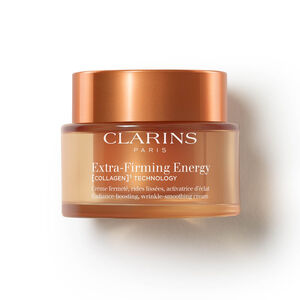


Collagen Enhancing Creams
Collagen enhancing creams are designed for skin that looks less supple, feels drier or shows visible lines, with formulas that support a smoother, firmer-looking and more cushioned complexion. It is useful to understand what a topical cream can and cannot do: collagen molecules are generally too large to pass deeply into the skin from the surface, so a cream cannot simply replace the collagen naturally found within the skin. Instead, thoughtfully selected formulas often combine ingredients that help support the skin’s natural processes, improve hydration and defend against everyday sources of visible stress. Peptides are particularly popular in these creams because they are small protein fragments that can send signalling messages to the skin, helping it appear more resilient and supported. Retinol and other retinoids can encourage surface renewal and support the look of firmness, while vitamin C helps defend against oxidative stress and contributes to a brighter, more even-looking complexion. Ingredients such as niacinamide, hyaluronic acid and glycerine work in a different but complementary way: they help attract and retain moisture, comfort the skin barrier and create a plumper appearance that can soften the look of fine lines. As the weather warms, a lighter cream may feel comfortable beneath sun protection, while richer textures can be especially appealing when cooler air leaves the cheeks feeling tight. Look for a finish that suits your preferences and skin type, whether that means a silky lotion for combination skin, a nourishing cream for dry skin or a soothing, fragrance-conscious option for skin that is easily unsettled.
Choosing between collagen enhancing creams begins with considering the condition and feel of your skin rather than focusing only on a single headline ingredient. Dry skin may benefit from a richer blend containing hyaluronic acid, squalane, ceramides, shea butter or nourishing plant oils, particularly when the complexion feels rough or makeup settles into dehydrated areas. Combination or oil-prone skin can feel more comfortable with a lighter gel-cream that layers easily and leaves little residue, while niacinamide may be a useful inclusion for supporting a balanced-looking complexion. If visible lines and a loss of bounce are your main concerns, peptide-led formulas can be appealing, especially when paired with moisturising ingredients that give skin a softer, fuller appearance. Retinol can be a more intensive choice for those who want to support surface renewal and the look of firmness, but it may not suit every complexion; introduce it carefully, follow the product directions and avoid combining several potentially stimulating ingredients until you know how your skin responds. Vitamin C is another popular option for a fresh-looking glow and more even-looking tone, although sensitive skin may prefer a gentler derivative or a lower concentration. Whichever formula you choose, apply it to freshly cleansed skin and smooth it over the face and neck without pulling or rubbing. A small amount, pressed in with warm fingertips, is often enough to leave the skin comfortable without feeling coated. Products containing retinoids can increase sensitivity to sunlight, so daily broad-spectrum sunscreen remains an important part of a considered skincare routine. Patch testing is sensible when trying an unfamiliar active ingredient, and anyone who is pregnant, breastfeeding or managing a skin condition should seek advice from a qualified healthcare professional before using retinoids.
These creams can fit easily into a simple routine built around cleansing, moisturising and protecting the skin. They are not limited to one particular skin type or complexion; the most suitable choice depends on texture, ingredients, comfort and the result you would like to see in the mirror. Someone with dehydrated skin may notice that a moisturising formula makes the face look fresher and more rested, while someone concerned with a slack or less springy feel may prefer a peptide or retinol cream used consistently and with patience. Layering also matters. Apply thinner products first, allow each layer to settle, then finish with a cream that helps seal in moisture. If your skin already receives vitamin C or exfoliating acids from another step, check the ingredient list carefully before adding retinol or further active ingredients, as an elaborate routine can leave the complexion feeling sore rather than polished. A collagen enhancing cream can also make a thoughtful present for someone who enjoys a refined skincare ritual: the generous texture, elegant application and focus on comfort give it a pampering quality without requiring an exact shade match. For a considered present, explore Collagen Boosting Creams for Gifting, then choose according to the recipient’s preferred texture and known skin needs. A rich cream can feel comforting during cooler months, while a breathable lotion may be more welcome when the air is warmer. Whether kept beside the bathroom mirror or packed for a short escape, the right formula can turn an everyday skincare step into a calm, tactile moment, leaving skin feeling moisturised, smooth and beautifully cared for.

