
Body Treatment Products
Body treatment products are essential for maintaining healthy and nourished skin. These products are specially formulated to target specific skin concerns and provide the necessary nutrients and hydration to keep the skin looking and feeling its best.

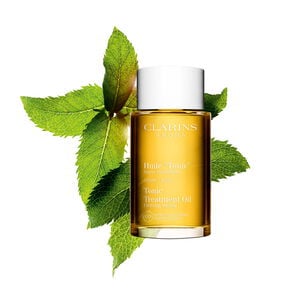


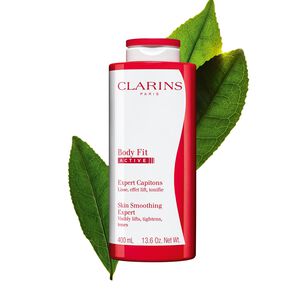


Body Treatment Products
Body treatment products bring together moisturising lotions, rich creams, body butters, oils, exfoliating scrubs and targeted treatments for skin that feels softer, smoother and more comfortable. Each texture has a different role: lotions offer hydration with a lighter feel, creams and butters provide a more enveloping finish, and oils add slip for massage while helping to soften dry-feeling skin. Exfoliating products lift away dead skin cells at the surface, while targeted body treatments focus on concerns such as uneven texture or the appearance of firmness. The most suitable choice depends on how skin feels, where the product will be applied and the finish that feels pleasant to wear. Skin across the body is not necessarily uniform, so a lightweight lotion may suit the torso while a richer cream feels more appropriate on rough elbows, knees or shins. Tightness, a flaky appearance and a lack of suppleness can all make moisturising textures especially appealing. For someone who dislikes a heavily coated feeling, a fluid lotion or gel-cream can offer comfort without the weight of a dense butter. Those who enjoy a cushioned, velvety finish may prefer a cream that spreads generously across dry areas. Ingredients also help distinguish these categories. Glycerin and hyaluronic acid are humectants, which help attract water to the skin’s outer layers, while emollients such as shea butter help soften its surface. Formulas containing occlusive ingredients help limit moisture loss, making them useful when skin needs a more protective layer. These functions can overlap within a single body treatment, so texture alone does not tell the whole story. Fragrance, application method and the way a formula sits against clothing are equally personal considerations. A delicate scent can add pleasure to body care, while a fragrance-free option may be preferable for someone who avoids perfumed formulas. The aim is a comfortable match between the skin’s needs and a texture that feels good to use.
The sensory differences between body treatment products are particularly noticeable in application. A milk-like lotion spreads easily over larger areas such as the arms and legs, whereas a dense body butter offers more cushion for deliberate massage into patches that feel rough. An oil provides glide, making it well suited to sweeping massage movements across the thighs, hips or shoulders, provided the product is intended for those areas. The amount used matters as much as the texture: an overly generous layer can feel slippery or transfer onto fabric, while a smaller amount distributed evenly may give the desired softness with a lighter finish. Some body moisturisers are suitable for application to slightly damp skin, although the instructions on the packaging should determine their use. Exfoliating body treatments have a different purpose from moisturisers. Their role is to loosen or lift away the surface build-up that can leave skin feeling uneven, rather than to replace the hydration supplied by a lotion or cream. Scrubs use textured particles, while some exfoliating formulas use acids to help lift away dead skin cells. Neither needs to produce a harsh sensation to have a useful place in body care. Skin that feels sore, irritated or damaged is not a suitable surface for vigorous scrubbing, and gentler handling is particularly important around delicate areas. Product directions are also essential for understanding whether a treatment should be rinsed away or left on the skin. For a more focused approach to the look of suppleness and firmness, Body Toning Products offer a related category to explore. These cosmetic treatments are intended to support the appearance and feel of the skin, rather than change body size or replace the effects of exercise. Massage can make application more pleasurable, but pressure should remain comfortable. A satisfying body treatment leaves the skin feeling cared for, not tender, with a finish suited to the area being treated.
Choosing body care also involves the practical details that make a formula feel at home in a bathroom or dressing area. A pump dispenser can be convenient for a fluid lotion applied across the body, while a tube offers controlled dispensing for a richer texture. A jar can accommodate a thick butter that would be difficult to dispense through a narrow opening. Packaging should be handled according to its directions, with lids closed securely and water kept out of formulas that are not designed to be diluted. Storage away from direct heat and sunlight helps protect the product, and any care instructions on the label take priority. With leave-on textures, the feel against clothes deserves consideration: a silky lotion may be more comfortable beneath close-fitting sleeves, while a richer cream may suit areas that benefit from a more substantial layer. Oils require particular care around delicate fabrics and can make bath or shower surfaces slippery. Skin sensitivity is another important part of selection. A highly scented butter or a strongly exfoliating treatment may be appealing to one person but unsuitable for another, so ingredient information and any label precautions are worth checking. A small-area test, used as directed, can help assess suitability, though it cannot rule out every reaction. Body treatment products can also make thoughtful gifts when chosen around the recipient’s preferences rather than assumptions about their skin or appearance. Someone who enjoys soft floral fragrances may appreciate a scented lotion, while a person who favours simple, understated body care may feel more comfortable with an unperfumed cream. Texture preferences can be just as revealing: a love of silky oils, plush butters or barely noticeable lotions gives a gift a more personal touch. Hydrating body care is often an approachable choice because it centres on comfort and softness, whereas targeted treatments are better suited to a known preference. Whether selected for personal use or as a gift, body care feels most considered when its texture, scent, packaging and intended purpose work together, turning an ordinary application into a pleasing experience for the skin.
The sensory differences between body treatment products are particularly noticeable in application. A milk-like lotion spreads easily over larger areas such as the arms and legs, whereas a dense body butter offers more cushion for deliberate massage into patches that feel rough. An oil provides glide, making it well suited to sweeping massage movements across the thighs, hips or shoulders, provided the product is intended for those areas. The amount used matters as much as the texture: an overly generous layer can feel slippery or transfer onto fabric, while a smaller amount distributed evenly may give the desired softness with a lighter finish. Some body moisturisers are suitable for application to slightly damp skin, although the instructions on the packaging should determine their use. Exfoliating body treatments have a different purpose from moisturisers. Their role is to loosen or lift away the surface build-up that can leave skin feeling uneven, rather than to replace the hydration supplied by a lotion or cream. Scrubs use textured particles, while some exfoliating formulas use acids to help lift away dead skin cells. Neither needs to produce a harsh sensation to have a useful place in body care. Skin that feels sore, irritated or damaged is not a suitable surface for vigorous scrubbing, and gentler handling is particularly important around delicate areas. Product directions are also essential for understanding whether a treatment should be rinsed away or left on the skin. For a more focused approach to the look of suppleness and firmness, Body Toning Products offer a related category to explore. These cosmetic treatments are intended to support the appearance and feel of the skin, rather than change body size or replace the effects of exercise. Massage can make application more pleasurable, but pressure should remain comfortable. A satisfying body treatment leaves the skin feeling cared for, not tender, with a finish suited to the area being treated.
Choosing body care also involves the practical details that make a formula feel at home in a bathroom or dressing area. A pump dispenser can be convenient for a fluid lotion applied across the body, while a tube offers controlled dispensing for a richer texture. A jar can accommodate a thick butter that would be difficult to dispense through a narrow opening. Packaging should be handled according to its directions, with lids closed securely and water kept out of formulas that are not designed to be diluted. Storage away from direct heat and sunlight helps protect the product, and any care instructions on the label take priority. With leave-on textures, the feel against clothes deserves consideration: a silky lotion may be more comfortable beneath close-fitting sleeves, while a richer cream may suit areas that benefit from a more substantial layer. Oils require particular care around delicate fabrics and can make bath or shower surfaces slippery. Skin sensitivity is another important part of selection. A highly scented butter or a strongly exfoliating treatment may be appealing to one person but unsuitable for another, so ingredient information and any label precautions are worth checking. A small-area test, used as directed, can help assess suitability, though it cannot rule out every reaction. Body treatment products can also make thoughtful gifts when chosen around the recipient’s preferences rather than assumptions about their skin or appearance. Someone who enjoys soft floral fragrances may appreciate a scented lotion, while a person who favours simple, understated body care may feel more comfortable with an unperfumed cream. Texture preferences can be just as revealing: a love of silky oils, plush butters or barely noticeable lotions gives a gift a more personal touch. Hydrating body care is often an approachable choice because it centres on comfort and softness, whereas targeted treatments are better suited to a known preference. Whether selected for personal use or as a gift, body care feels most considered when its texture, scent, packaging and intended purpose work together, turning an ordinary application into a pleasing experience for the skin.

