
Best Foundation For Sensitive Skin
When it comes to choosing the best foundation for sensitive skin, it is important to consider a few key factors. First and foremost, it is crucial to opt for a foundation that is fragrance-free and hypoallergenic. These qualities help to minimize the risk of irritation and allergic reactions on sensitive skin.


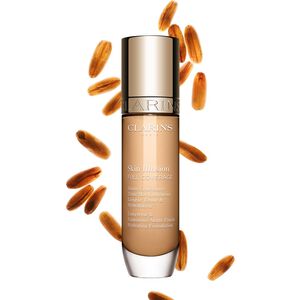
Best Foundation For Sensitive Skin
Foundation for sensitive skin is as much about how make-up feels as how it looks. A beautifully even complexion is more appealing when the texture feels comfortable across the cheeks, around the nose and along the jaw, without a tight or heavily coated sensation. Sensitivity can sit alongside dryness, oiliness or a combination of both, so choosing foundation involves more than looking for a single description on the packaging. Texture, coverage, finish and the ingredient list all help shape a suitable match. Lightweight liquids can offer a flexible veil of colour, while creamier textures may appeal to those who prefer a more cushioned feel. Powder foundations provide another approach, particularly for those who enjoy a softly blurred, less glossy result, although their feel will depend on the formula and the condition of the skin. Fragrance-free options may be worth considering if fragrance is a known trigger, but no single ingredient claim can establish whether a foundation will suit every sensitive complexion. Equally, a label such as hypoallergenic is not a guarantee against a reaction. Familiarity with personal sensitivities, together with the product’s stated suitability and application directions, offers a more useful basis for choosing. A small-area test carried out according to the instructions can help assess tolerance, although it cannot rule out a reaction. Foundation is intended to enhance the appearance of the complexion, rather than address the cause of sensitivity, and it should feel pleasant rather than something to endure for the sake of coverage. The most flattering match allows the character of the skin to remain visible where desired, softening the appearance of uneven colour without creating an obvious divide between face and neck. For someone who finds heavy make-up uncomfortable, that balance of coverage and a barely noticeable feel can make a meaningful difference to the experience of wearing foundation.
Coverage and finish offer plenty of scope to make foundation feel personal. Sheer coverage leaves freckles and variations in tone visible, lending a softly unified appearance rather than a fully perfected canvas. Medium coverage can soften visible redness around the cheeks or nose while retaining some of that transparency, and fuller coverage gives a more uniform result where that is preferred. Buildable textures offer flexibility: a fine layer across the face, with a little more pressed onto a particular area, can look less substantial than an equally thick application everywhere. The distinction between finish and coverage also matters. A radiant foundation can provide considerable coverage without looking flat, while a satin or matte formula can remain relatively sheer. For sensitive skin that also feels dry, a supple, luminous finish may sit more comfortably over textured areas than a very powdery effect. For a complexion with more visible shine, a softly matte finish may feel more in keeping with the desired look. Neither choice needs to create a mask; a good colour match and a restrained application help the result look connected to the skin beneath. Shade selection involves both depth and undertone, from pink or rosy notes to golden, peach or more balanced tones. Comparing a small amount along the jaw in clear, even lighting helps reveal whether the colour blends with both face and neck, rather than matching only a flushed cheek. Those who prefer a particularly fluid texture can explore Serum Foundation for Sensitive Skin for a make-up approach centred on a light, easy-to-spread consistency. The word serum describes a type of foundation texture rather than an assurance of suitability, so individual formula details remain important. Whether the desired effect is softly luminous or velvety, foundation should complement the wearer’s preferred amount of coverage without making sensitivity the defining feature of their make-up.
Application can influence comfort just as much as the choice of texture. A foundation that spreads readily needs less rubbing, which may be welcome for skin that dislikes friction. Fingertips can give close control over placement, a soft brush can distribute fluid textures precisely, and a supple make-up sponge can press colour into place with a diffused edge. The useful distinction is not simply between tools, but between gentle placement and repeated dragging across the same area. Soft, flexible bristles and smooth sponge surfaces are worth considering, while anyone with a known material allergy should check the tool’s composition. Brushes and sponges need washing in line with their care instructions, thorough rinsing and complete drying; damaged bristles or a crumbling sponge can make application less comfortable and less even. A small amount of foundation concentrated through the centre of the face often gives enough coverage to bring the complexion together, leaving the outer edges more translucent. Around the nostrils, eyebrows and corners of the mouth, finer layers help prevent visible build-up. Where additional coverage is wanted, pressing on a little more can preserve a smoother appearance than spreading a thick layer across the whole face. For wear that feels secure without stiffness, flexible textures that move with facial expressions are particularly appealing. Compatibility with other make-up matters too: blusher, bronzer and setting powder should sit over the foundation without lifting it or creating a dense surface. Powder can be limited to areas where a softer sheen is preferred rather than applied across every part of the face. The result might be understated make-up for a relaxed outfit or a more polished complexion for a celebration, with the same attention to comfort in either case. Sensitivity does not dictate a single finish or level of coverage; it simply makes the relationship between formula, application and personal tolerance especially important.
