
Best Firming Eye Cream For Women In Their 60's
As women enter their sixties, the delicate skin around their eyes may start to show signs of ageing such as sagging, fine lines, and wrinkles. To combat these common concerns, it is important to incorporate a firming eye cream into your skincare routine.




Best Firming Eye Cream For Women In Their 60's
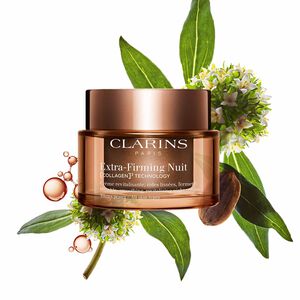
Firming eye creams selected for women in their 60s are designed for the delicate eye contour, where skin can feel drier, look thinner and show a more crepey texture. A well-chosen formula can help the area appear smoother, more cushioned and refreshed, while supporting the look of firmness around the upper and lower eye contour. Look for ingredients chosen to address several concerns at once: peptides are valued for helping skin feel more resilient and supported; hyaluronic acid attracts moisture to leave the surface looking plumper; ceramides help reinforce the skin’s moisture barrier; and nourishing emollients can comfort tight, fragile-feeling skin. Retinal and other gentle retinoid derivatives may help improve the appearance of fine lines and uneven texture by encouraging surface renewal, although they require a gradual introduction and careful use. Caffeine is often included in eye treatments intended to make morning puffiness look less noticeable, while soothing ingredients can help calm an area that feels easily irritated. The right choice depends on personal preferences as much as the ingredient list. Someone with very dry skin may prefer a rich cream with ceramides, shea butter or other comforting moisturisers, whereas a person who dislikes heavier textures may favour a lightweight gel-cream or serum that sits neatly beneath make-up. Those with sensitive eyes should look for a fragrance-free or ophthalmologist-tested formula and introduce active ingredients cautiously. It is also helpful to consider whether the product is intended for the upper eye area, under-eye contour or both, and to check the directions before applying. A nourishing eye cream can make a thoughtful gift for a mum, sister, partner or friend who enjoys a considered beauty ritual, particularly when paired with a soft flannel, a facial moisturiser or another product suited to her usual routine. For shoppers comparing options across different stages of skin concern, the Best Firming Eye Cream For Women In Their 40's collection can offer useful additional context, while this selection focuses on formulas suited to the changing needs often associated with skin in the 60s.
Application technique matters because the eye contour is delicate and does not benefit from vigorous rubbing or repeated stretching. Begin with clean, dry skin and use a small amount, approximately the size of a grain of rice for both eyes unless the product directions advise otherwise. Dot the cream along the orbital bone beneath the eye and beneath the brow, keeping it away from the lash line and avoiding direct contact with the eyes. Use the ring finger to press and tap gently from the inner corner outwards, allowing warmth from the fingertips to help distribute the formula without dragging the skin. A little product is usually sufficient; applying too much can encourage movement into the eyes or leave concealer prone to slipping. Eye cream can be placed after a facial serum and before a face moisturiser, with active formulas introduced on alternate applications if the skin is not accustomed to retinal or retinoid ingredients. If dryness, stinging or visible irritation develops, pause use and return to a simple moisturising formula until the area feels comfortable. Retinal-containing products are generally more suitable for an evening routine, while daytime eye care should be paired with broad-spectrum SPF applied carefully around, but not directly into, the eye area. Sunglasses can provide extra comfort in bright conditions, and gentle cleansing helps prevent rubbing when removing make-up. During cooler months, indoor heating and cold air may leave the contour feeling tight, making a cream with barrier-supporting ingredients especially appealing; as the weather warms, a lighter texture may feel more comfortable and can be stored according to the label instructions. Results are influenced by regular application, adequate moisture and individual skin characteristics, so expectations should remain realistic: an eye cream can soften the appearance of fine lines, improve the look of dryness and leave the contour looking smoother and more rested, but it cannot replicate a professional treatment. Choose a formula that feels pleasant enough to use consistently, apply it with patience and care, and allow the finish, comfort and appearance of the eye area to guide your selection.
Application technique matters because the eye contour is delicate and does not benefit from vigorous rubbing or repeated stretching. Begin with clean, dry skin and use a small amount, approximately the size of a grain of rice for both eyes unless the product directions advise otherwise. Dot the cream along the orbital bone beneath the eye and beneath the brow, keeping it away from the lash line and avoiding direct contact with the eyes. Use the ring finger to press and tap gently from the inner corner outwards, allowing warmth from the fingertips to help distribute the formula without dragging the skin. A little product is usually sufficient; applying too much can encourage movement into the eyes or leave concealer prone to slipping. Eye cream can be placed after a facial serum and before a face moisturiser, with active formulas introduced on alternate applications if the skin is not accustomed to retinal or retinoid ingredients. If dryness, stinging or visible irritation develops, pause use and return to a simple moisturising formula until the area feels comfortable. Retinal-containing products are generally more suitable for an evening routine, while daytime eye care should be paired with broad-spectrum SPF applied carefully around, but not directly into, the eye area. Sunglasses can provide extra comfort in bright conditions, and gentle cleansing helps prevent rubbing when removing make-up. During cooler months, indoor heating and cold air may leave the contour feeling tight, making a cream with barrier-supporting ingredients especially appealing; as the weather warms, a lighter texture may feel more comfortable and can be stored according to the label instructions. Results are influenced by regular application, adequate moisture and individual skin characteristics, so expectations should remain realistic: an eye cream can soften the appearance of fine lines, improve the look of dryness and leave the contour looking smoother and more rested, but it cannot replicate a professional treatment. Choose a formula that feels pleasant enough to use consistently, apply it with patience and care, and allow the finish, comfort and appearance of the eye area to guide your selection.

