
Anti Ageing Skin Cream
Discover the ultimate in skincare luxury with our collection of exceptional solutions designed to enhance your skin's radiance and vitality. Our range of expertly crafted formulations offers a luxurious experience, helping to nourish and revitalise your complexion. Whether you're looking to hydrate, smooth, or rejuvenate, these creams are perfect for anyone seeking a luminous glow. Explore the transformative power of our selection and indulge in the exquisite care that only quality products can provide.
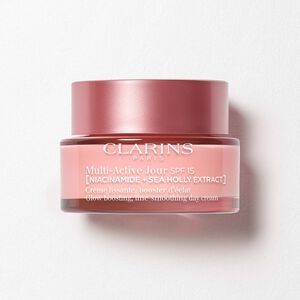

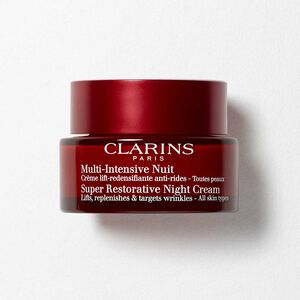


Anti Ageing Skin Cream
Anti-ageing skin cream is a facial moisturiser designed to address the appearance of fine lines, wrinkles and a loss of firmness while helping skin feel soft, hydrated and comfortable. These creams bring together moisturising ingredients and targeted cosmetic benefits, with textures ranging from light, silky emulsions to rich, enveloping creams. Their appeal is not limited to a single skin type: a complexion that feels tight across the cheeks may need extra nourishment, while skin with an oily T-zone may suit a lighter finish with targeted hydration. The most useful distinction is between what skin feels like and what you would like to improve about its appearance. Dryness can make fine lines look more pronounced, so moisture alone can give the surface a smoother, plumper look. Firming and wrinkle-smoothing creams may offer additional benefits, depending on their ingredients and formulation. Hyaluronic acid attracts and holds moisture, helping to soften the appearance of dehydration lines without necessarily giving a cream a heavy texture. Glycerin is another moisture-binding ingredient that supports a supple feel. Emollients help smooth roughness, while richer moisturising components help limit moisture loss from the skin’s surface. Ceramides support the moisture barrier, making them relevant to skin that feels dry or uncomfortable. Peptides appear in formulations intended to improve the look of firmness and smoothness, although their benefits depend on the particular formula. Vitamin C can support a brighter, more even-looking complexion, and retinol is used in some creams aimed at visible lines and uneven texture. No single ingredient tells the whole story: its concentration, the ingredients alongside it and the suitability of the finished cream all matter. An anti-ageing moisturiser should therefore be considered as a complete formulation rather than a promise attached to one familiar ingredient. The aim is a cared-for complexion with a comfortable feel and a finish that suits your preferences, rather than an expectation that a cosmetic cream will erase every line.
Texture makes a considerable difference to how a facial cream feels on the skin. A rich cream has a cushioned, substantial feel that can be particularly appealing for dry cheeks, rough patches or a complexion that feels tight after washing. It may leave a soft sheen rather than a completely matt finish, which can suit skin that looks dull through lack of moisture. A lighter lotion or gel-cream spreads with less weight and can be preferable if richer textures feel too substantial around the nose and forehead. Oily skin can still need hydration; a lightweight moisturiser offers a way to address that need without choosing an especially buttery consistency. Combination skin calls for a little flexibility, since the cheeks and T-zone may have different requirements. A cream that spreads easily can make it simpler to adjust the amount across the face, using less where skin already feels comfortable. For sensitive skin, suitability deserves particular attention. Fragrance preferences, known ingredient sensitivities and the strength of active ingredients are more useful considerations than the richness of a cream alone. Fragrance-free options may appeal to those who prefer to avoid perfume in facial skincare, but that description does not guarantee that every sensitive complexion will tolerate a formula. Retinol and exfoliating acids can cause irritation, so the directions and cautions on the packaging are important. Anyone who is pregnant or planning a pregnancy should avoid retinoids and seek advice from a qualified healthcare professional about suitable alternatives. Beyond ingredients, the sensory details are worth considering: whether a cream glides easily, feels tacky, leaves a velvety surface or gives skin a dewy appearance. A pleasant texture is not merely decorative. It helps make application comfortable and allows a moisturiser to fit more readily alongside other skincare, without an unpleasantly heavy or slippery feel. The right balance is personal, shaped by both the needs of the complexion and the feel you enjoy.
Choosing among anti-ageing skin creams is easier when the intended use is clear. Some formulations focus principally on hydration and comfort, while others place greater emphasis on the appearance of wrinkles, firmness or radiance. Where several concerns overlap, a moisturiser with complementary benefits can keep a skincare routine straightforward. A hydrating serum beneath a cream may suit skin that wants added moisture without a much richer finish, whereas a nourishing cream can be appealing when softness and relief from tightness are the main priorities. There is no need for every layer to contain strong active ingredients. Pairing several intensive treatments can increase the likelihood of irritation, particularly if skin is already sensitive. Application should follow the product’s directions, with a modest amount spread gently rather than rubbed forcefully into the face. The neck and décolletage may also benefit from moisturising, provided the formula is suitable for those areas; the delicate eye area requires attention to the stated directions rather than an assumption that any facial cream belongs there. Packaging is another practical consideration. A pump can offer controlled dispensing, while a jar provides access to a richer texture; either format should be closed properly and stored as directed, away from excessive heat and direct sunlight. Creams containing SPF have a distinct role, but wrinkle-smoothing or firming claims alone do not indicate protection against UV rays. The Anti Ageing Day Cream collection offers a related category to explore, with individual descriptions providing the detail needed to assess texture, benefits and any stated SPF. Protection depends on the labelled instructions and the amount applied, so a small dab of moisturiser should not be assumed to provide adequate coverage. As a gift, facial cream is a thoughtful choice when the recipient’s skin type, fragrance preferences and favourite textures are known. Focusing on comfort, softness and an enjoyable skincare ritual keeps the gesture personal. Whether chosen for yourself or someone close, a well-suited cream brings together credible cosmetic benefits, a pleasing texture and care that respects the skin’s individual needs.
Texture makes a considerable difference to how a facial cream feels on the skin. A rich cream has a cushioned, substantial feel that can be particularly appealing for dry cheeks, rough patches or a complexion that feels tight after washing. It may leave a soft sheen rather than a completely matt finish, which can suit skin that looks dull through lack of moisture. A lighter lotion or gel-cream spreads with less weight and can be preferable if richer textures feel too substantial around the nose and forehead. Oily skin can still need hydration; a lightweight moisturiser offers a way to address that need without choosing an especially buttery consistency. Combination skin calls for a little flexibility, since the cheeks and T-zone may have different requirements. A cream that spreads easily can make it simpler to adjust the amount across the face, using less where skin already feels comfortable. For sensitive skin, suitability deserves particular attention. Fragrance preferences, known ingredient sensitivities and the strength of active ingredients are more useful considerations than the richness of a cream alone. Fragrance-free options may appeal to those who prefer to avoid perfume in facial skincare, but that description does not guarantee that every sensitive complexion will tolerate a formula. Retinol and exfoliating acids can cause irritation, so the directions and cautions on the packaging are important. Anyone who is pregnant or planning a pregnancy should avoid retinoids and seek advice from a qualified healthcare professional about suitable alternatives. Beyond ingredients, the sensory details are worth considering: whether a cream glides easily, feels tacky, leaves a velvety surface or gives skin a dewy appearance. A pleasant texture is not merely decorative. It helps make application comfortable and allows a moisturiser to fit more readily alongside other skincare, without an unpleasantly heavy or slippery feel. The right balance is personal, shaped by both the needs of the complexion and the feel you enjoy.
Choosing among anti-ageing skin creams is easier when the intended use is clear. Some formulations focus principally on hydration and comfort, while others place greater emphasis on the appearance of wrinkles, firmness or radiance. Where several concerns overlap, a moisturiser with complementary benefits can keep a skincare routine straightforward. A hydrating serum beneath a cream may suit skin that wants added moisture without a much richer finish, whereas a nourishing cream can be appealing when softness and relief from tightness are the main priorities. There is no need for every layer to contain strong active ingredients. Pairing several intensive treatments can increase the likelihood of irritation, particularly if skin is already sensitive. Application should follow the product’s directions, with a modest amount spread gently rather than rubbed forcefully into the face. The neck and décolletage may also benefit from moisturising, provided the formula is suitable for those areas; the delicate eye area requires attention to the stated directions rather than an assumption that any facial cream belongs there. Packaging is another practical consideration. A pump can offer controlled dispensing, while a jar provides access to a richer texture; either format should be closed properly and stored as directed, away from excessive heat and direct sunlight. Creams containing SPF have a distinct role, but wrinkle-smoothing or firming claims alone do not indicate protection against UV rays. The Anti Ageing Day Cream collection offers a related category to explore, with individual descriptions providing the detail needed to assess texture, benefits and any stated SPF. Protection depends on the labelled instructions and the amount applied, so a small dab of moisturiser should not be assumed to provide adequate coverage. As a gift, facial cream is a thoughtful choice when the recipient’s skin type, fragrance preferences and favourite textures are known. Focusing on comfort, softness and an enjoyable skincare ritual keeps the gesture personal. Whether chosen for yourself or someone close, a well-suited cream brings together credible cosmetic benefits, a pleasing texture and care that respects the skin’s individual needs.

