
Anti Ageing Night Cream For Dry Skin
As we age, our skin tends to become drier and loses its elasticity, leading to the appearance of fine lines and wrinkles. To combat these signs of ageing, it is important to incorporate a nourishing night cream into your skincare routine.

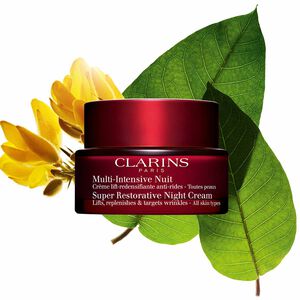


Anti Ageing Night Cream For Dry Skin
Rich facial creams for dry skin bring together nourishing textures, moisture-binding ingredients and care for the appearance of fine lines and wrinkles. Their appeal lies in a balance of comfort and visible smoothness: skin should feel supple rather than tight, with a soft finish that does not leave an unwelcome heavy film. Dry skin can feel rough across the cheeks, look less luminous or develop small flaky patches that make its surface appear uneven. A well-chosen moisturiser helps address these concerns by supporting the skin’s moisture barrier and limiting moisture loss. Hydrating ingredients attract water to the skin, emollients soften its surface, and more enveloping ingredients help hold that moisture in place. These functions complement one another, which is why a rich texture alone does not tell the whole story about a cream. For skin that feels particularly thirsty, a combination of hydration and cushioning nourishment can be more satisfying than a thick consistency without sufficient moisture-binding support. Fine lines associated with dryness may look less pronounced as the skin becomes better hydrated, although moisturising cannot remove every wrinkle or change facial contours. The most relevant choice depends on how the skin feels as well as the finish it prefers. Someone with tight cheeks and a comfortable forehead may favour a supple cream that spreads easily, while someone with dryness across the face may appreciate a denser, balm-like texture. Neither has to feel sticky or difficult to distribute. These creams suit adults seeking softer-feeling skin, a smoother-looking surface and a more comfortable facial skincare routine, without making skin type or texture a matter of age. Across this category, the useful distinctions are the degree of nourishment, the ingredients supporting hydration, fragrance preferences and compatibility with other facial care. The aim is a moisturiser that feels at home on the skin, rather than one chosen solely for a rich appearance in its jar.
Ingredients help explain why nourishing face creams can feel so different from one another. Glycerin and hyaluronic acid are humectants, valued for their ability to attract and retain moisture in the skin’s outer layers. Ceramides are lipids found in the skin barrier; within a moisturising formula, they can help support that barrier and improve the feeling of dryness. Squalane is an emollient that lends slip and softness, making it useful in creams designed to feel nourishing without excessive weight. Shea butter and selected plant oils can provide a more enveloping texture, particularly welcome on cheeks that feel taut or have a slightly papery surface. The finished formula matters more than any single ingredient, however. A cream’s performance depends on the combination of ingredients, their proportions and how well the texture suits the person using it. Peptides feature in some smoothing formulas, but claims about firmness or wrinkle appearance should be assessed against the information supplied for the particular formulation. Retinol also appears in some facial treatments for lines and uneven texture, though it can cause dryness or irritation and is not essential to a nourishing moisturiser. For skin that is both dry and easily unsettled, a simpler moisturising formula may be a more comfortable fit than several intensive treatments combined. Fragrance is another personal consideration. A delicately scented cream can add pleasure to application, while a fragrance-free option may suit someone who prefers less scent or knows that fragranced skincare causes discomfort. Dryness and sensitivity are not interchangeable, so suitability should come from the full product description and personal tolerance rather than texture alone. A patch test, following the manufacturer’s directions, can help assess compatibility, although it cannot guarantee that irritation will not occur. The most useful comparison is therefore not simply thick versus light, but how hydration, softness, barrier support and sensory preferences come together in a formula designed for the face.
Texture is especially important where dryness varies across the face. A velvety cream that glides over the cheeks without dragging can make application more comfortable, while a richer consistency may suit the edges of the jaw or other areas that feel persistently tight. More product is not automatically more helpful: an amount that spreads into an even, comfortable layer is preferable to a coating that sits heavily on the surface. Facial moisturisers generally fit alongside a gentle facial wash and, where desired, a compatible hydrating serum. Application should follow the directions on the packaging, with care around the eye area unless the formula is expressly intended for it. A separate eye cream can offer a texture developed for that delicate area, rather than relying on a rich facial cream to serve every purpose. Layering also deserves consideration. If a cream rolls into small flecks over a serum, the quantity applied or the combination of textures may be unsuitable; a less elaborate routine can feel more pleasant than several overlapping products. For a complementary moisturising option, explore anti-ageing facial creams, choosing according to skin comfort, finish and the stated purpose of each formula. Packaging adds another practical distinction. A tube or pump allows measured dispensing with less direct handling, while a jar offers access to a denser cream and can be used with a freshly washed spatula. Keeping the closure secure and following storage directions helps protect the formula from unnecessary exposure to heat and moisture. For gifting, a nourishing facial cream is a thoughtful choice when the recipient’s skin preferences are familiar, particularly their preferred texture, fragrance tolerance and any known ingredient sensitivities. It is more personal to choose around their enjoyment of skincare and desire for comfort than to make assumptions about wrinkles. Whether selected for a pared-back routine or a more layered approach, a suitable cream should offer a pleasing balance of softness, hydration and nourishment, with clear directions and claims that match what a moisturiser can reasonably deliver.

